




At Burning River 100, accessible at burningriver100.org, one of our main priorities is the privacy of our visitors. This Privacy Policy document contains types of information that is collected and recorded by burningriver100.org and how we use it. If you have additional questions or require more information about our Privacy...
How Contractor Signage and Temporary Walking Routes Can Shape Everyday Fitness Habits
The World Health Organization reports that regular physical activity helps lower the risk of heart disease, diabetes, and several long-term health conditions. While many people connect physical activity with gyms, sports, or planned exercise programs, daily movement often begins with ordinary routines. Small actions repeated throughout the day can quietly contribute to movement habits without people noticing.
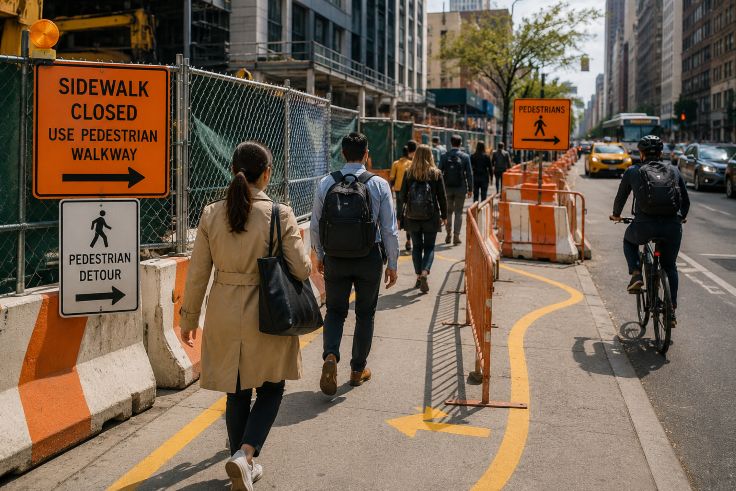
Urban spaces change constantly. Sidewalk repairs, road work, utility upgrades, and building projects can temporarily alter how people move through neighborhoods. Public pathways may shift for safety reasons, and visual guidance often becomes necessary to direct pedestrians. Information from construction signs NYC and related temporary safety systems frequently serves as a source of direction during these changes. Although their purpose centers on safety and navigation, these adjustments can create subtle effects on movement patterns and daily activity.
People tend to build routines around familiarity. The route to work, the path to a grocery store, or the walk toward a transit station often becomes automatic. Human behavior commonly follows repeated patterns because repetition reduces decision-making. Yet temporary route changes interrupt that process and introduce small behavioral shifts.
Why Temporary Walking Routes Change Daily Behavior
Routine movement depends heavily on environmental familiarity. Researchers from Harvard T.H. Chan School of Public Health note that environmental design can influence health behavior and physical activity choices. People often select paths based on convenience, visibility, and ease of movement rather than deliberate fitness goals.
When sidewalks close or pathways change, individuals frequently adjust without much thought. A person who normally walks fifty steps from a parking area to an office entrance may suddenly need to walk an additional block. Another person may begin using stairs because an elevator entrance becomes temporarily inaccessible.
These changes may seem small at first. However, movement repeated several times throughout a day can gradually create measurable differences.
Environmental cues play an important role here. Directional signs, temporary barriers, and pedestrian guides quietly influence decision-making. Most people follow visual instructions automatically because they help reduce uncertainty and improve safety.
How Contractor Signage Influences Walking Patterns
Temporary construction guidance exists mainly to keep pedestrians and workers safe. Yet its effects extend beyond safety measures. Traffic control markers and pedestrian direction systems influence how people move through an area.
Experts from the National Association of City Transportation Officials explain that temporary street and pedestrian designs can shape traffic flow and movement behavior within cities. People generally prefer routes that feel clear and predictable.
Consider a busy downtown area during road maintenance work. A blocked sidewalk may redirect foot traffic around another side of the street. People walking alone may choose wider paths, while groups may select routes that feel less crowded.
Visibility also affects behavior. Clear directional messages reduce hesitation. Poorly placed temporary markers may create confusion, causing people to stop, slow down, or backtrack.
As pedestrian traffic shifts, movement patterns throughout surrounding streets and public spaces can change as well. Cafes, bus stops, office entrances, and public gathering areas may experience different foot traffic levels during temporary projects.
Unexpected Fitness Effects of Everyday Detours
Fitness discussions often focus on planned workouts, exercise schedules, and structured training. Yet health researchers increasingly recognize the value of incidental movement.
The American Heart Association notes that movement accumulated throughout the day can contribute to overall physical activity levels. Walking extra distances, standing more frequently, and climbing stairs can become meaningful when repeated consistently.
Temporary walking routes occasionally create these opportunities without people actively seeking them.
Someone redirected around construction fencing may walk several additional minutes every day. A commuter using a different station entrance might encounter stairs rather than escalators. Office workers taking alternate building access routes may increase their daily steps without realizing it.
Micro-activity matters because daily routines often shape long-term habits more effectively than isolated actions. A thirty-minute exercise session remains valuable, but movement spread across an entire day can support activity levels in a practical way. Similar observations appear in discussions around shared movement routines and daily wellness habits, where small, repeated actions gradually become part of everyday behavior instead of feeling like structured exercise.
These small adjustments often occur quietly. People rarely think, “I exercised because of a detour.” Instead, movement becomes part of ordinary life.
Challenges Can Appear as Well
Despite possible benefits, route changes do not always encourage movement.
Longer pathways can become frustrating for individuals with limited mobility or time restrictions. Weather conditions may create additional challenges. Rain, heat, uneven surfaces, and crowded temporary walkways can reduce comfort.
Research published through the Centers for Disease Control and Prevention shows that built environments influence activity levels and accessibility. Safe surroundings often affect whether people choose walking over other transportation options.
Accessibility remains important during temporary infrastructure changes. Detours that increase walking distance for some individuals may create barriers for others.
These realities show that environmental design involves balancing multiple priorities. Safety, convenience, and accessibility all play a role.
Practical Ways to Adapt to Temporary Route Changes
People do not need major lifestyle changes to recognize movement opportunities.
Pay Attention to Routine Changes
Small route adjustments sometimes reveal hidden movement habits. A slight increase in walking distance may become part of daily activity.
Build Flexibility Into Daily Routines
Temporary pathways eventually change again. Being open to alternate routes can reduce stress while maintaining consistency.
Focus on Regular Movement
Fitness does not always begin with intense exercise sessions. Repeated activity often matters more than occasional bursts of effort.
Small Environmental Changes Can Shape Larger Habits
Daily environments quietly influence behavior in ways many people overlook. Temporary pedestrian routes, safety markers, and construction wayfinding systems exist to support movement and safety, yet they may also affect everyday routines. Simple route changes can increase walking distances, alter movement choices, and create small opportunities for activity.
Fitness habits sometimes emerge through ordinary experiences rather than planned goals. Temporary directional systems, sidewalk guidance markers, and work zone signage may seem unrelated to health discussions. Yet they can influence how people move through daily life, one step at a time.
Urban environments continue to evolve, and movement patterns evolve with them. Sometimes the smallest changes in a path can create larger changes in routine.
Why Fixed Price Clearance Services in Vienna Help Reduce Stress and Improve Fitness Goals
 People in Vienna are becoming more focused on healthier lifestyles, better routines, and organized living. Many individuals invest time in exercise, balanced diets, and personal wellness. However, one factor that is often overlooked is the impact of clutter inside the home.
A crowded living space can affect motivation, energy levels, and even physical activity. Rooms filled with unused furniture, storage boxes, and household clutter make homes feel smaller and more stressful. Many people struggle to maintain healthy habits when their environment feels chaotic and unorganized.
This is why fixed price clearance Vienna (source: Räumung zum Fixpreis Wien) are gaining attention. These services allow homeowners to remove unwanted items with transparent pricing and professional support. Instead of worrying about unexpected fees or complicated cleanup work, people can focus on improving their living space and overall well-being.
Fixed price clearance services are especially helpful for individuals trying to create healthier home environments that support fitness goals, daily routines, and mental balance.
How Clutter Can Affect Motivation and Physical Activity
Many people think of fitness as something that only happens in a gym or outdoor environment. However, the condition of the home also affects physical and mental motivation.
Cluttered spaces can reduce energy and increase stress. When rooms are overcrowded, it becomes harder to relax, focus, or stay productive. This mental fatigue often impacts motivation for exercise, meal preparation, and healthy routines.
For example, some homeowners want to create workout areas inside their homes but cannot because spare rooms, basements, or storage spaces are filled with unused belongings. Others avoid certain parts of the house because clutter makes the environment uncomfortable.
Physical movement also becomes more difficult in crowded homes. Narrow walkways, stacked boxes, and oversized furniture reduce usable space and may even create safety hazards. This can discourage active routines and increase the risk of accidents.
Mental health is closely connected to physical wellness as well. Living in a disorganized environment often creates feelings of overwhelm or frustration. Many people postpone cleaning projects because the work feels too large to handle alone. As clutter grows, stress levels often increase alongside it.
A clean and organized space creates a different atmosphere. People tend to feel more motivated, focused, and comfortable in homes that are easier to maintain. Open spaces also encourage movement, relaxation, and healthier daily habits.
Professional fixed price clearance services help homeowners achieve this without adding financial uncertainty to the process.
Why Fixed Price Clearance Services Are Popular in Vienna
One of the biggest concerns homeowners have when hiring clearance services is cost uncertainty. Many people worry about hidden charges, hourly fees, or unexpected expenses that may appear during the project.
Fixed price clearance services solve this problem by offering transparent pricing from the beginning. Homeowners know the agreed cost before the work starts, which creates peace of mind and makes budgeting easier.
This pricing structure is especially helpful for large projects such as apartment clearances, basement cleanouts, attic organization, or furniture disposal. Instead of calculating time, labor, transportation, and disposal separately, everything is included within a single agreed price.
Professional clearance companies in Vienna typically assess the project first and provide a clear quotation based on the amount of work required. This allows homeowners to make informed decisions without worrying about fluctuating costs later.
Another major advantage is convenience. Clearance teams handle lifting, sorting, transportation, recycling, and disposal. Homeowners avoid the physical strain connected to moving heavy furniture, appliances, and storage items themselves.
Professional teams also understand Vienna’s recycling and waste disposal regulations. They separate recyclable materials properly and often donate reusable items whenever possible. This supports environmentally responsible disposal while reducing landfill waste.
Fixed price services are also valuable during stressful life changes. Relocations, downsizing, home renovations, and family transitions often involve large amounts of unwanted belongings. Transparent pricing helps reduce financial stress during already demanding situations.
Many people appreciate the simplicity of knowing exactly what the service includes before committing. This creates a smoother and more comfortable experience overall.
Creating a Healthier Home Environment Through Decluttering
Once clutter is removed, many homeowners immediately notice positive changes in their daily routines. Rooms feel larger, cleaner, and easier to manage. Open spaces create a calmer atmosphere that supports both physical and mental wellness.
Some people use the newly available space for fitness purposes. A cleared basement, spare room, or garage can become a simple workout area, yoga space, or home gym. Others simply enjoy having more room to move comfortably throughout the house.
Decluttering also improves cleaning routines. Homes with fewer unnecessary items collect less dust and are easier to maintain. Better indoor cleanliness supports healthier air quality and reduces allergens that may affect respiratory health.
Mental wellness benefits are equally important. Organized environments often help reduce anxiety and improve concentration. Many people feel emotionally lighter after removing years of accumulated belongings. Completing a major clearance project can also create a strong sense of accomplishment and motivation.
Families benefit from safer and more functional living spaces as well. Children have more room for activities, while adults experience less stress managing household organization. Shared spaces become more enjoyable and easier to maintain together.
Fixed price clearance services also encourage homeowners to stay organized moving forward. Once people experience the benefits of decluttering, they often become more mindful about storage habits and unnecessary purchases.
Choosing the right clearance provider in Vienna is important for achieving a positive experience. Homeowners should look for companies that offer transparent pricing, responsible disposal practices, professional communication, and reliable customer reviews.
As more people focus on creating healthier lifestyles, organized living spaces are becoming an important part of personal wellness. Decluttering is no longer viewed as simple cleaning. It is now connected to mental clarity, physical comfort, and improved daily routines.
For many households in Vienna, fixed price clearance services provide an affordable and stress-free way to create cleaner homes that better support long-term health and fitness goals.
Why Home Workout Spaces Need Regular Deep Cleaning
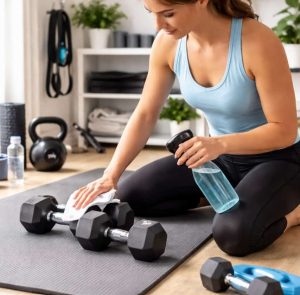 Home workouts have become part of everyday life for many people. Spare rooms, garages, and even small corners of living rooms now serve as personal gyms. These spaces make exercise more convenient, but they also collect sweat, dust, and bacteria faster than many people realize. Because of this, regular deep cleaning is not just about keeping the area tidy. It is important for health, equipment care, and overall workout quality, so it’s a good idea to visit website of a professional cleaning service for expert help and proper maintenance.
Sweat and Bacteria Build Up Quickly
Exercise creates the perfect environment for bacteria. Sweat, warm temperatures, and repeated contact with equipment allow germs to grow and spread. Yoga mats, dumbbells, resistance bands, and benches are often touched many times during a workout session.
Over time, this buildup may lead to skin irritation, body acne, or unpleasant odors. Shared home gyms increase the risk even more because multiple people are using the same surfaces. A quick wipe-down after a workout helps, but deep cleaning is necessary to remove residue that daily cleaning misses.
Dust and Allergens Affect Breathing
Home gyms often sit in areas that are not cleaned as frequently as the rest of the house. Garages, basements, and spare rooms collect dust easily. When you move around during exercise, that dust gets pushed into the air. Breathing faster during workouts means you inhale more of it.
Dust can carry allergens such as pollen, pet dander, and mold spores. For people with allergies or asthma, this can cause coughing, congestion, or breathing discomfort during exercise. Deep cleaning removes dust from floors, equipment, vents, and corners where it quietly builds up.
A clean space supports better air quality, which helps workouts feel easier and more comfortable.
Equipment Lasts Longer
Workout equipment is an investment. Even simple items like yoga mats, kettlebells, and resistance bands can become expensive when replaced often. Sweat, moisture, and dirt slowly break down these materials.
For example, sweat can damage foam mats and corrode metal surfaces over time. Dust and dirt can also collect in the moving parts of treadmills, bikes, and rowing machines. When this happens, equipment may start to squeak, stick, or wear out faster.
Deep cleaning helps prevent these problems. Removing sweat residue and debris keeps equipment in good condition and reduces the chance of mechanical issues.
Floors and Mats Hold Hidden Dirt
Most workouts involve direct contact with the floor. Push-ups, stretching, and core exercises place your hands and body against mats or flooring surfaces. Even if the floor looks clean, it may hold sweat, body oils, and dust.
Rubber mats and foam flooring are especially good at trapping moisture. Without proper cleaning, this moisture can create odor or even mold growth. A deeper cleaning routine allows you to disinfect surfaces and remove grime that regular sweeping or wiping cannot reach.
This is particularly important in homes where workouts happen several times a week.
Odors Develop Over Time
Many home gym owners notice a lingering smell in their workout space. Sweat alone does not usually cause strong odors. The smell appears when bacteria begin breaking down sweat residue left on surfaces.
If equipment, mats, or towels are not cleaned thoroughly, the odor gradually becomes stronger. Ventilation can help, but it does not remove the source of the smell.
Deep cleaning eliminates the bacteria that create these odors. Washing mats, disinfecting equipment, and cleaning floors can restore a fresh smell to the workout area.
A Clean Space Improves Motivation
Environment plays a role in motivation. A cluttered or dirty workout space can make exercise feel less appealing. Dusty equipment, unpleasant smells, or sticky surfaces can quickly discourage someone from starting a workout.
A clean and organized space sends a different message. It feels ready to use and easier to step into. Small improvements such as wiping down equipment, washing mats, and clearing the floor can make the room more inviting.
This may seem like a minor detail, but it can help maintain a consistent workout routine.
Preventing Mold and Moisture Problems
Moisture is common in home workout areas. Sweat, water bottles, and limited airflow can raise humidity levels, especially in garages or basements. Over time, this moisture can create the right conditions for mold growth.
Mold often appears in hidden areas such as under mats, behind equipment, or along baseboards. It can damage flooring and create health concerns if left untreated.
Deep cleaning helps identify and remove moisture problems early. Lifting mats, cleaning underneath equipment, and improving ventilation can prevent mold from developing.
What Deep Cleaning Should Include
Deep cleaning a home workout space does not require complicated tools. The goal is to reach areas that daily cleaning overlooks.
This process usually includes disinfecting equipment, washing mats with proper cleaning solutions, vacuuming or mopping floors, wiping walls and baseboards, and cleaning air vents or fans. Towels, resistance bands, and other soft materials should also be washed regularly.
Doing this once every few weeks is often enough for most home gyms, though high-use spaces may benefit from more frequent attention.
The Bottom Line
Home workout spaces make it easier to stay active, but they require proper care to stay safe and comfortable. Sweat, dust, and moisture build up faster than many people expect. Without regular deep cleaning, these factors can lead to bacteria growth, equipment damage, unpleasant odors, and poor air quality.
Keeping the space clean protects both health and equipment. It also makes the environment more enjoyable to use. With a simple deep cleaning routine, a home gym can remain a safe, fresh, and motivating place to exercise.
Relax, Recover, and Recharge: The Wellness Side of the Movie Domain
Taking breaks, having a rest and mental reboot are all vital to long-term growth. However, there is an interesting twist to this, and the new technology of today has created a new enabling factor in the healing process. Sites like 123movies mirrors redefine the way individuals relax, providing easy ways of unwinding and rediscovering the mood. As the film industry keeps on changing, it is emerging as a silent yet strong ally in the need to achieve a balance between work and rest.
Why Rest Days Matter
The notion that more is better motivates many fitness enthusiasts who tend to exercise more and harder. But even the most powerful bodies are not resistant to sufficient sleep. The muscles can only repair and develop during rest days which makes rest days as important as the training days.

It is what we do in the rest that is important. Resting activities, such as watching a peaceful, motivating, or positive movie allow the mind to take a time off. This psychological rest will decrease the stress hormones and allow the organism to transition to the recovery state. An aptly selected movie may generate a state of quietness, in which the mind and muscles may rest.
Movies as a Recovery Tool
The body needs rest and relaxation after a hard exercise, marathon or intense physical activity.
A movie can also help in checking the level of adrenaline and stimulate relaxation. The documentary of sports, especially, provides an exclusive experience of inspiration and reassurance. They demonstrate endurance, hard work, and toughness, things that sports people identify with.
Watching the progress of another person, specifically when it is a story full of victories and failures, makes you stronger in your belief in your exercise objectives. Motivational dramas also give a good release of emotions, which helps in alleviating mental exhaustion, which is usually not realized. What seems like mere entertainment is a powerful way of mind rejuvenation.
Thoughtful Observing to The Greatest Good
The movie-watching, just as any meal planning or organized exercise, is taken to the next level. The idea is not to mindlessly binge but to select material that suits your needs when it comes to wellness. There are days when one needs relaxing nature videos or relaxing documentaries. This mix will decrease muscular rigidity and at the same time enable the mind to change into a relaxed mode, the ultimate physical and mental rejuvenation.
Wellness Worth Reading Worth Exploring
To learn more about establishing rest routines in order to align with a wellness journey, read articles about mindful recovery and purpose resting. These readings are in line with the notion that entertainment, when not mindless, may be an important element of your wellness experience.
Conclusion: Rest the Smart Way
Recovery does not mean slowing down, it is a tactical aspect of making oneself stronger. In the world of productivity that is mostly exalted, taking a pause is a symbol of self-respect. To have an opportunity to re-energize, calm the mind, and re-find motivation, one can use the movie sphere as an easy but efficient method of spending free time.
How Health & Fitness Relate to Clean Spaces: The Role of Tile Cleaners
 Health and fitness are often associated with regular exercise, balanced nutrition, and proper sleep. However, maintaining a clean environment plays an equally important role in overall well-being. Your surroundings influence not only physical health but also mental focus and energy levels. Clean floors by Sunshine Coast tile cleaners, in particular, can make a big difference since they are one of the most frequently used surfaces at home or in gyms.
Tiles collect dirt, dust, sweat, and bacteria over time. When neglected, these can contribute to allergies, infections, and poor air quality. A clean floor surface supports hygiene and enhances motivation during workouts. Imagine doing yoga or push-ups on a floor that smells fresh instead of one with grime buildup — the difference is not just visual but also psychological.
Fitness and Hygiene: Why Your Floors Matter
Many fitness enthusiasts focus on their workout gear and diet plans but forget the importance of the space they move in. Whether it’s a home gym or a studio, maintaining a sanitized environment is vital. Sweat, shoe marks, and residue from sports drinks can accumulate on tiled surfaces. These can become breeding grounds for bacteria and fungi if left uncleaned.
Tile cleaners help prevent this by eliminating dirt and pathogens that ordinary mopping might miss. Using the right product ensures a safer space for stretching, training, and cooling down. This is especially important for yoga mats placed on tiled floors or for people who perform exercises barefoot. Clean tiles reduce the risk of infections such as athlete’s foot or skin irritation, helping you stay focused on your fitness goals.
Choosing the Right Tile Cleaner for a Healthier Space
Not all tile cleaners are created equal. Some contain strong chemicals that leave harmful residues or irritate the skin. When choosing a cleaner, consider eco-friendly and non-toxic options. These are safe for both your family and pets while still being effective in removing tough dirt.
For households with fitness areas, look for products designed for frequent cleaning. A good cleaner should remove grime without damaging the tile surface or grout. Many modern tile cleaners now include natural ingredients such as vinegar, citrus, or plant-based surfactants. These formulas provide a deep clean while leaving a pleasant scent that helps refresh your space after a workout.
It’s also wise to pair cleaning products with proper tools. A microfiber mop or soft brush can lift dirt effectively without scratching the floor. Regular cleaning schedules — at least twice a week in active spaces — help maintain a hygienic environment where you can safely train or relax.
Clean Spaces, Clear Mind
A tidy space promotes mental clarity. Clutter and dirt can affect mood and focus, making it harder to stay consistent with fitness routines. Clean tiles create an atmosphere of order, making workouts more enjoyable and productive. It also helps improve the overall look of your home or gym, adding motivation to keep your surroundings and your health in good shape.
The act of cleaning itself can even be part of your physical activity. Scrubbing and mopping engage your muscles, especially your arms, shoulders, and legs. It’s a small but practical way to stay active while maintaining your living area. This connection between cleanliness and movement highlights how fitness is not limited to formal exercise but extends to daily habits that promote wellness.
Maintaining Long-Term Hygiene
A consistent cleaning routine is more sustainable than occasional deep cleaning. For tiled floors, daily sweeping and weekly washing with a tile cleaner prevent buildup that’s harder to remove later. In high-traffic areas such as bathrooms or home gyms, disinfecting the tiles every few days keeps bacteria under control.
Humidity also affects tile hygiene. Poor ventilation encourages mold growth, especially in bathroom or kitchen tiles. Regularly opening windows and using dehumidifiers can help maintain dry, clean surfaces. Combining these habits with the right cleaning products ensures that your home remains a safe and healthy place to live and exercise.
From Walks to Wellness: How Dog Pushchairs Keep You and Your Pet Moving

Regular walks with pets do more than stretch the legs. They strengthen bonds, boost moods, and improve overall well-being. For pet owners with senior or injured dogs, maintaining an active lifestyle can become a challenge. That is where dog pushchairs come in. These pet-friendly strollers are designed to help both owners and their furry friends continue their walking routines without strain or worry.
Modern dog strollers for large dogs are built for comfort, durability, and mobility, making them perfect companions for active families. They allow pets to enjoy fresh air, new sights, and gentle exercise while giving owners the motivation to stay on the move. For those seeking inspiration to stay fit and positive, you can also check out motivational fitness videos that encourage wellness in daily life.
Why Walking Together Matters
Walking with a dog is one of the simplest yet most effective ways to build a consistent fitness routine. Studies show that pet owners who walk their dogs regularly are more likely to meet daily exercise goals. The steady pace of walking promotes better circulation, aids digestion, and supports heart health. For dogs, it’s an essential activity that helps maintain joint flexibility and weight control.
However, when pets age or face mobility issues, those shared walks often stop. Dog pushchairs offer a solution that keeps both pet and owner in motion. Instead of leaving an elderly dog behind, owners can push them comfortably, ensuring the pet still enjoys outdoor time and stimulation.
The Mental Health Benefits
Walking with pets goes beyond physical exercise, it’s a powerful mental reset for both humans and animals. The act of being outdoors, even for a short period, can lower stress hormones and elevate mood. Dog pushchairs make these moments possible for pets who might otherwise be confined indoors. For owners, it means less guilt and more joy knowing their companion can still experience life beyond the backyard.
Therapists and wellness experts often recommend walking as a form of mindfulness. The rhythmic sound of footsteps, the rustle of leaves, and the steady breathing that comes with movement can help clear the mind. For many, it’s a form of moving meditation. Pets share that sense of calm, which strengthens their emotional connection to their owners.
How Pushchairs Promote Consistency
Consistency is the key to any healthy routine, and dog pushchairs make that easier to achieve. Rain or shine, owners can head out knowing their pets are protected from the elements. Large wheels, sturdy frames, and breathable mesh covers keep rides smooth and safe. When dogs get tired, they can rest while owners continue their walk, ensuring no one’s fitness routine gets interrupted.
Beyond individual health, this shared activity fosters a sense of community. Pet owners often meet others during walks, exchange smiles, or share pet stories. This simple routine can ease loneliness and create meaningful social interactions. It becomes less about “exercise” and more about enjoyment.
Small Steps Toward Better Health
For those starting or rebuilding their fitness habits, walking with a dog can be the perfect entry point. It doesn’t require special equipment or a gym membership, just a comfortable pair of shoes and an open mind. Whether it’s a quick morning walk or an evening stroll, these moments help create balance in a fast-paced world.
- Start with short, consistent walks.
- Let your pet set the pace and enjoy the surroundings.
- Hydrate both you and your pet before heading out.
- Use reflective gear during night walks for safety.
- Gradually increase walking time as comfort improves.
After a walk, give your body and pet time to rest at home; read about how clean furniture helps workout recovery to make rest more effective.
Encouraging Lifelong Wellness
Choosing to stay active with pets is a lifelong commitment to wellness. It teaches responsibility, builds emotional resilience, and promotes balance. Dog pushchairs simply make that journey more inclusive. They ensure no pet is left behind, no matter their age or condition. That small decision can create big changes in both physical and mental health over time.
As pet owners continue their healthy routines, dog strollers for large dogs become more than accessories. They represent freedom, compassion, and shared happiness. Staying active with pets reminds us that wellness isn’t just about movement—it’s about companionship, care, and love.
Finding Value in Price of ZIO for Fitness Success
Discussions about the price of ZIO (쩜오 가격) often focus on the balance between value and exclusivity, showing how individuals weigh investment against long-term satisfaction. People naturally seek options that not only fit their lifestyle but also deliver consistent benefits over time. This same mindset applies to personal health, particularly in fitness. While motivation may spark the start of an exercise journey, true progress lies in staying consistent with workouts and turning them into a sustainable habit that supports overall well-being.
Establishing a Routine for Your Fitness Success
Consistency thrives when workouts are integrated into daily routines. Like when brushing teeth or preparing meals becomes automatic, exercise should be treated as a non-negotiable part of the day.
Scheduling workouts at the same time helps establish rhythm, whether it’s early in the morning or after work. Over time, the body adapts, and discipline takes over where motivation may waver. A structured routine is the foundation of long-term fitness success.
Price of ZIO Shows Value of Long-Term Investment
Just as consumers evaluate cost versus value in lifestyle platforms, workout consistency should be seen as an investment in health. Every session builds strength, stamina, and resilience, much like small payments that accumulate into something greater. The real payoff comes not after a week but after months and years of dedication. Framing exercise as a long-term investment shifts the perspective from short-term effort to lasting transformation.
Overcoming Barriers to Consistency
Life inevitably presents obstacles to staying active, whether it’s a busy schedule, fluctuating energy levels, or unexpected commitments. The key to long-term fitness success lies in preparation and flexibility. On hectic days, keeping workouts short and efficient still allows for progress, while exploring different activities can reignite motivation when boredom strikes.
Removing simple barriers such as setting out workout clothes the night before, preparing a fitness plan in advance, or keeping equipment accessible makes it much easier to follow through. By approaching challenges with small, practical adjustments, consistency becomes less about perfection and more about persistence, helping build a sustainable and resilient fitness routine.
Motivation through Enjoyment and Variety
Consistency in fitness becomes much easier to achieve when workouts are genuinely enjoyable. Trying out new fitness classes, outdoor activities, or even creative home-based exercises helps prevent monotony and keeps energy levels high.
Adding music, engaging podcasts, or exercising with a partner can introduce extra variety that boosts motivation and accountability. When people find joy in their routines, exercise shifts from being a dreaded chore into a rewarding and sustainable part of daily life.
This sense of enjoyment is what makes it easier to stay consistent with workouts in the long run. Ultimately it supports better health and long-term fitness goals.
Tracking Progress for Sustainable Growth
Documenting progress, whether through journals, apps, or photos, serves as a reminder of how far one has come. Small victories like increased stamina, improved mood, or lifting heavier weights reinforce the effort invested. Progress tracking not only builds motivation but also sets the stage for achievable future goals. This ongoing cycle of effort and reward keeps individuals engaged, ensuring workouts remain a permanent part of their lifestyle.
Train Smarter: Curated Fitness Resources for Every Step of Your Journey
 Movement is medicine, and the way we train shapes how we feel, think, and live. Whether you’re chasing strength, flexibility, or simply a better mood, the right tools can make all the difference. With so many platforms and routines available, finding safe and effective resources can feel overwhelming. That’s why we’ve curated a list of trusted links to help you train smarter—from workouts to recovery and nutrition.
To make your search for fitness platforms and apps easier, we recommend checking out this curated directory, Address Jura. It’s a reliable starting point for discovering workout routines, home fitness apps, and sports coaching services. You can explore their site, Address Jura, 사이트모음 which translates to Site Collection in Korea . The site is updated regularly and includes links that cater to different fitness levels and goals.
Workouts That Fit Your Lifestyle
Consistency beats intensity when it comes to long-term fitness. Whether you’re squeezing in a 10-minute stretch between meetings or committing to a full-hour strength session, the key is finding routines that match your schedule and energy levels.
- Darebee: Offers free visual workouts with minimal equipment. Great for beginners and those training at home.
- FitOn: A mobile app with celebrity trainers and guided workouts. Includes cardio, yoga, and strength training.
- Nike Training Club: Features structured programs for different goals, from endurance to mobility.
Each of these platforms provides clear instructions and modifications. That means you can train safely, even if you’re just starting out or recovering from an injury.
Recovery Tools That Actually Work
Recovery is where progress happens. Muscles rebuild, energy returns, and the body adapts. Skipping recovery can lead to burnout or injury, so it’s essential to treat it as part of your training.
- StretchIt: A guided flexibility app that helps improve mobility and reduce soreness.
- Therabody: Offers recovery tools like massage guns and compression therapy. Ideal for athletes and active individuals.
- Calm: While not a physical recovery tool, this app supports mental recovery through meditation and sleep stories.
Recovery isn’t just about rest, it’s about restoration. These tools help you bounce back stronger and stay consistent with your fitness goals.
Nutrition That Fuels Your Goals
Food is more than fuel, it’s information for your body. The right nutrients can boost performance, speed up recovery, and support overall health. But with so much conflicting advice online, it’s important to rely on science-backed resources.
- Precision Nutrition: Offers evidence-based articles and coaching programs tailored to individual needs.
- MyFitnessPal: A popular app for tracking meals, macros, and progress. Easy to use and highly customizable.
- Eat This, Not That: Provides practical tips for making healthier food choices without sacrificing flavor.
Nutrition is personal, and these platforms help you make informed decisions. Whether you’re bulking, cutting, or simply eating for energy, they offer guidance that’s easy to follow and adapt.
READ ALSO: Nutrition And Fitness For Sports Club
Coaching and Community Support
Sometimes, the missing piece is accountability. Having a coach or community can push you to stay committed and celebrate small wins. Online coaching platforms make expert guidance accessible, no matter where you are.
- Future: Pairs you with a personal coach who designs workouts and checks in regularly.
- Trainerize: Lets coaches deliver programs and track progress through a sleek app interface.
- Strava: A social fitness network for runners and cyclists. Share your workouts and cheer others on.
Training doesn’t have to be a solo journey. These platforms offer connection, motivation, and expert advice to keep you moving forward.
Final Thoughts
Fitness is a lifelong relationship with your body. It evolves with your goals, your age, and your lifestyle. By using safe and recommended resources, you can train smarter—not harder—and enjoy the process along the way.
Bookmark your favorites, try new routines, and listen to your body. Whether you’re just starting out or refining your performance, the right tools are out there. Let this curated guide be your compass.
Clean Air, Better Workouts: Why Brisbane Fitness Enthusiasts Need a Fresh Air Conditioner

Air quality has a direct impact on workout performance and recovery. When you’re breathing more easily, your body can exert more effort and recover faster. For fitness lovers in Brisbane, especially those working out at home, this isn’t just a health benefit. It’s essential. With outdoor pollution and allergens creeping inside, the air you breathe while doing cardio, strength training, or yoga can either help or hinder your fitness progress.
That’s why many home gym users are now paying more attention to their indoor air systems. A properly cleaned and efficient system can mean the difference between a refreshing training session and one that leaves you coughing and tired. Brisbane’s subtropical climate brings high humidity, which often leads to dust buildup and mould in air conditioners. If you’re working out at home, that poor air circulation becomes a real problem.
Why Air Quality Matters for Fitness
Oxygen fuels your workout. Every cell in your body relies on it, and your lungs work harder than ever when you’re lifting weights or running on a treadmill. If the air is full of allergens, dust, or bacteria, your respiratory system has to fight through the bad to get to the good stuff. That means less oxygen gets delivered to your muscles. Less oxygen equals faster fatigue, slower recovery, and a higher risk of post-workout headaches or congestion.
High-quality air, on the other hand, promotes better breathing. It can reduce symptoms of asthma or allergies, support cardiovascular endurance, and even improve your mood. All of this adds up to better performance. For people building muscle or trying to lose weight, those extra reps or minutes of cardio can make a big difference over time.
The Hidden Risks of a Dirty AC
Most people don’t think twice about their air conditioners until they stop working. But a dirty air conditioner doesn’t just reduce cooling—it can spread airborne pollutants. Pet dander, dust mites, mold spores, and even bacteria can accumulate in the filters and vents. When the system kicks on during your home workout, all those particles get blown right into your breathing space.
Even more concerning, mould in air conditioning units thrives in Brisbane’s damp, warm conditions. Long-term exposure to mouldy air can lead to respiratory issues, skin irritation, and a weakened immune response. So if you’re doing daily workouts in a home gym with stale or unfiltered air, you might actually be doing your body more harm than good.
Benefits of a Freshly Cleaned Air Conditioner
Getting your air conditioner professionally cleaned does more than make the space feel cooler. It actively protects your health. Clean systems run more efficiently, use less energy, and maintain proper air circulation. This leads to more stable room temperatures, which helps keep your core body temperature during exercise.
Another huge benefit? Better sleep. Recovery is just as important as working out, and clean, cool air helps your body rest and repair overnight. With the right air quality, you’re not just sweating better—you’re sleeping better, too.
Home Gyms Need More Than Equipment
Setting up your home gym takes time and money. You invest in weights, resistance bands, a yoga mat, maybe even a treadmill or bike. But if the air is stale or full of pollutants, all that gear won’t help you perform at your best. Clean air is the foundation of a successful indoor fitness routine.
That’s why many Brisbane fitness enthusiasts are turning to professionals for regular air conditioning (AC) servicing. Companies like Advanced Clean Air offer fast, affordable service with a focus on customer care. They understand the local climate and know precisely how to clean systems for maximum airflow and minimum disruption. Whether you’re using a small split-system unit or a whole-house setup, a clean AC keeps your gym air feeling crisp and energizing.
Fitness Gains Start with Every Breath
Your lungs are your engine during workouts. Clean air is your fuel. If you’re committed to getting stronger, faster, or just healthier, don’t overlook the air you’re breathing every day. Especially if you’re training at home, a cleaned and maintained air conditioner could be the missing piece of your fitness puzzle.
Take a moment to look around your workout space. Does the air feel fresh? Is your breathing deep and comfortable? If not, it might be time to check your air conditioner. A quick service today could lead to a healthier, more powerful workout tomorrow.
Final Thoughts
Clean air is more than a luxury for Brisbane’s fitness community—it’s a performance enhancer. Whether you’re chasing a personal best or just looking for a healthier lifestyle, the air you breathe plays a bigger role than you think. With professional help, keeping your home gym fresh and safe is easier than ever.
Sweat, Dust, and Your Couch: How Clean Furniture Helps Workout Recovery
After an intense workout, your body begins to heal the moment you stop moving. Recovery isn’t just about what you eat or how long you sleep—your environment plays a massive role too. One often overlooked factor is the very place where you rest, stretch, or collapse: your couch. That comfy spot could be loaded with dust, sweat, and allergens, all of which can silently disrupt your post-workout recovery.
Your couch, chairs, or upholstered bench may look clean on the surface, but fabric furniture absorbs everything—from pet dander and airborne particles to the sweat-soaked gear you toss on it. This mix of contaminants can trigger allergic reactions or breathing difficulties, especially after exercise when your respiratory system is more active. This is where upholstery cleaning Sunshine Coast services become more than just cosmetic—they’re a part of your recovery routine.
Why Post-Workout Recovery Depends on a Clean Environment

When you work out, your body temperature rises, your pores open, and your breathing gets deeper. This primes your system to absorb more of what’s in the air around you. If you’re recovering on a dusty couch, that “relaxation” can expose you to harmful irritants. These tiny particles can clog your sinuses, irritate your skin, and compromise your immune response—all of which delay recovery.
Clean upholstery helps your body relax more effectively. Breathing in cleaner air supports better oxygen intake, which aids muscle repair and reduces inflammation. It’s no coincidence that people with clean, fresh-smelling homes often sleep better and feel more energized the next day. That’s not just comfort—it’s biology.
The Hidden Risks in Your Sofa
Think about how often your sofa gets real attention. While you may vacuum your floors every few days, upholstery usually gets ignored. Yet it’s one of the most frequently touched and used surfaces in your home. After a workout, you might sit shirtless on the couch or stretch on it after a yoga session. Your sweat soaks in, combining with dust mites and bacteria that already live in the fabric.
Over time, your couch becomes a breeding ground. Without proper cleaning, this buildup can lead to musty odors, visible stains, and hidden health risks. Even if you don’t have allergies, prolonged exposure can affect your breathing and immune system, both of which are key players in recovery and overall health.
Benefits of Clean Upholstery for Athletes and Fitness Lovers
The connection between hygiene and health is clear, but when it comes to upholstery, the benefits go deeper than just cleanliness. Regular deep cleaning of your furniture can:
- Reduce allergy triggers like dust mites and mold spores
- Eliminate bacteria and sweat residue from upholstery fibers
- Improve indoor air quality for better post-workout breathing
- Promote deeper, uninterrupted sleep, essential for muscle recovery
Clean fabric also improves your mental recovery. When your space looks and smells clean, you’re more likely to feel calm and refreshed. Stress reduction is vital for fitness recovery and daily performance. READ ALSO: Discover New Ways to Elevate Your Fitness
How Often Should You Clean Your Upholstery?
Experts recommend professional upholstery cleaning every 6 to 12 months, depending on how much use your furniture gets. If you’re someone who trains several times a week and spends time resting or stretching on your furniture, you might want to consider more frequent cleaning. Spot treatments and regular vacuuming can help in the meantime, but a deep clean is the only way to remove deeply embedded particles and bacteria.
Simple Daily Habits to Keep Upholstery Workout-Friendly
While professional cleaning is important, small daily habits can also protect your couch and your health:
- Use clean towels or yoga mats when stretching or lying on the couch post-exercise
- Shower before lounging if you’ve had a sweaty session
- Open windows for air circulation or use an air purifier nearby
- Vacuum your couch weekly with a fabric-safe attachment
Your Couch Is a Recovery Tool—Treat It Like One
Most fitness plans focus on training and diet, but recovery is where the real progress happens. Your home, especially your furniture, plays a major role in how fast and well your body heals. A clean couch isn’t just about appearances. It’s about reducing harmful exposure to allergens and bacteria, improving air quality, and creating a true space for your body to reset.
If you care about your fitness, start thinking beyond dumbbells and protein shakes. Treat your couch like an extension of your health goals—because after the sweat, your rest depends on it.
Fitness and Spirits: Guilt-Free Drinking with Low-Carb Liquor

Fitness enthusiasts often face a dilemma when socializing involves liquor. Can you enjoy a drink without derailing your health goals? Absolutely. By choosing low-carb, low-calorie liquors and practicing moderation, you can savor a cocktail while staying on track. This guide explores how to balance fitness with occasional drinks, highlighting smart choices available online.
Liquor doesn’t have to sabotage your progress. Platforms like The Barrel Reserve offer a range of premium spirits that align with a health-conscious lifestyle. Clear liquors like vodka, gin, and tequila are naturally low in carbs and sugars, making them ideal for fitness buffs. Pair these with zero-calorie mixers like soda water or fresh lime, and you’ve got a drink that fits your macros. Why stress over a night out when you can make informed choices?
Why Low-Carb Liquors Work for Fitness
Clear spirits shine for those watching their diet. Vodka and gin contain zero carbs and roughly 96 calories per 1.5-ounce shot. Tequila, especially 100% agave varieties, offers similar benefits and may even stabilize blood sugar better than other liquor. These options avoid the empty calories found in sugary cocktails or heavy beers. For example, a piña colada can pack 500 calories, while a vodka soda with lime stays under 100. That’s a game-changer for maintaining your physique.
However, moderation is key. The CDC defines moderate drinking as one drink per day for women and two for men. Exceeding this can lead to dehydration, disrupted sleep, and stalled fat-burning. To counter liquor’s diuretic effects, alternate each drink with a glass of water. This keeps you hydrated and slows consumption, letting you enjoy the moment without overdoing it.
Choosing the Right Mixers
Mixers can make or break a healthy cocktail. Sugary sodas, juices, and syrups add unnecessary carbs and calories. Instead, opt for club soda, seltzer, or sparkling water, which are calorie-free and add a refreshing fizz. Fresh citrus like lemon or lime enhances flavor without spiking sugar. If you crave a touch of sweetness, a splash of diet tonic or a natural sweetener like stevia can do the trick. These choices keep your drink light and guilt-free.
For inspiration, try a classic gin and soda with a cucumber slice. It’s crisp, low-calorie, and feels sophisticated. Or go for a tequila with soda and a generous squeeze of lime—think of it as a skinny margarita. These cocktails let you indulge without the baggage of heavy mixers. Plus, they’re easy to whip up at home or order at a bar.
Timing Your Drinks Wisely
When you drink matters. Drinking liquor after a workout can hinder muscle recovery by slowing protein synthesis. A study showed that drinking post-exercise reduced muscle building by 37%. Instead, save your drink for rest days or evenings when you’re not hitting the gym. Pairing your cocktail with a protein-rich meal, like grilled chicken or fish, also helps offset liquor’s impact on metabolism. This way, you’re supporting your body while enjoying a treat.
Another tip? Plan ahead. If you know a social event is coming, adjust your diet earlier in the day. Cut back on carbs or fats to “save” calories for your drink. This strategy keeps you in a calorie deficit, aligning with weight-loss or maintenance goals. It’s all about balance, not deprivation.
READ ALSO: Enhance Your Lifestyle with Tailored Diet Tips from AI
Exploring Premium Options Online
Quality matters when selecting spirits. Premium liquors often have fewer additives, reducing the risk of hangovers or bloating. Online stores offer curated selections, making it easy to find gluten-free vodkas or small-batch tequilas that suit your needs. You can explore detailed tasting notes and choose bottles that elevate your drinking experience without compromising health.
Don’t let fitness goals stop you from enjoying life’s pleasures. With smart choices—low-carb spirits, light mixers, and strategic timing—you can raise a glass without guilt. Whether it’s a vodka soda at a party or a tequila on the rocks at home, you’re in control. So, cheers to balance, health, and savoring the moment!
Health, Fitness, and Sports Broadcast: Staying Active and Inspired

Sports broadcasts play a unique role in promoting health and fitness. They connect fans to their favorite games, inspire active lifestyles, and showcase the benefits of physical activity. With more people tuning in to sports events, broadcasters have an opportunity to influence audiences who Watch overseas soccer for free (source: 해외축구 무료보기) positively by emphasizing health and fitness as part of the sports experience.
How Sports Broadcasts Encourage Active Lifestyles
Watching professional athletes excel in their sports can motivate viewers to stay active. Seeing the physical feats of basketball players, soccer stars, or runners reminds us of the rewards of regular exercise. For instance, marathon broadcasts often include stories about everyday runners who overcame challenges to compete. These narratives resonate with viewers, encouraging them to adopt healthier habits, whether it’s going for a jog or joining a local sports club.
Broadcasters also highlight health campaigns during events, such as promoting fitness apps, hosting wellness segments, or encouraging viewers to participate in local community sports. These efforts not only entertain but also educate audiences about staying active.
Fitness Tips From the World of Sports
Sports broadcasts often share valuable insights from professional athletes and trainers. These tips can help viewers improve their own fitness routines. Whether it’s advice on stretching, proper hydration, or the importance of rest, these small lessons can make a big difference in how we approach exercise.
For example, many broadcasts now include pre-game and halftime segments where experts discuss warm-ups or share strategies for injury prevention. Viewers can easily adapt these practices to their own activities, making exercise safer and more effective.
Additionally, sports commentary frequently includes discussions about mental health and its connection to physical performance. Highlighting this connection helps people understand the holistic benefits of fitness, encouraging a well-rounded approach to health.
The Future of Health and Fitness in Sports Broadcasting
As technology evolves, sports broadcasts are becoming more interactive. Virtual reality, fitness trackers, and live social media feeds are transforming the viewer experience. Imagine watching a tennis match while tracking your steps or participating in a virtual cycling race alongside the Tour de France. These innovations blur the lines between spectatorship and participation, making fitness a part of the entertainment.
Furthermore, broadcasters are increasingly collaborating with health organizations to promote wellness initiatives. These partnerships ensure that sports programming isn’t just about competition but also about inspiring healthier lifestyles for all.
Health & Fitness Meets Auto Repair
 When thinking about health and fitness, auto repair might not immediately come to mind. However, Mercedes service and maintaining your body have more in common than you might realize. Both require attention, regular maintenance, and proactive care to avoid bigger issues down the line.
The Importance of Regular Check-Ups
Just as you would visit your doctor or fitness trainer for regular check-ups, your car needs routine inspections. Skipping these can lead to costly repairs or health problems later. For instance, ignoring your car’s oil changes is similar to neglecting hydration in your fitness routine. Both can cause your system—whether mechanical or physical—to break down.
Think of your body as an engine. Regular exercise, balanced nutrition, and adequate rest ensure smooth performance. Similarly, ensuring your car’s engine is in good shape by checking fluids, filters, and tires can prevent breakdowns. Investing a little time in maintenance now can save a lot of trouble later.
Small Repairs Go a Long Way
In fitness, small injuries can escalate if not addressed early. A strained muscle left untreated might lead to more significant issues. The same applies to cars. Ignoring a small noise under the hood can lead to major repairs.
Listening to your body and your car is essential. If you feel fatigued or notice a muscle strain, rest or consult a professional. Similarly, if your car shows warning signs, visit a mechanic before the problem worsens. Addressing issues early helps keep you and your vehicle running efficiently.
Fuel Matters
The fuel you put into your body and your car has a direct impact on performance. Eating nutritious foods gives you the energy to exercise, work, and live a healthy life. For your car, using the right fuel ensures optimal engine performance and better mileage.
Cutting corners with cheap, unhealthy food or low-grade fuel might seem like a way to save money, but it can lead to costly consequences. Prioritize quality in both areas to maximize performance and longevity.
Both health and auto repair share a core principle—maintenance. Regular care, attention to detail, and addressing problems early lead to better performance and fewer disruptions. Whether it’s a quick oil change or a 30-minute workout, small consistent actions make a big difference over time.
The Fitness Influencer’s Guide to Increasing Instagram Followers with SNS Support

Did you know that Instagram is the most popular social media platform for fitness influencers? With over one billion active users, it offers fitness enthusiasts a massive opportunity to showcase their journey, share expertise, and build a loyal following. However, standing out in a sea of content requires more than just posting great photos or videos.
How to Increase Instagram Followers
To grow a meaningful following, especially in the fitness niche, strategy is essential. Many influencers struggle to find the balance between creating fitness content and engaging with followers effectively. By incorporating proven tactics like posting workout videos, engaging actively, and collaborating with peers, you can boost your visibility.
Using SNS Supporter services can further enhance your efforts. Platforms like this help businesses on how to increase Instagram followers (source: 인스타 팔로워 늘리기 노하우). An increase in followers optimize engagement while allowing you to focus on creating value-driven content for your audience.
Tips for Fitness Influencers to Grow Their Instagram
Here are some effective tips to help fitness professionals grow their Instagram followers:
1. Share High-Quality Workout Videos
- Show, don’t just tell: People love to see fitness in action. Post short, engaging workout clips with clear instructions.
- Consistency is key: Create a schedule and stick to it. For example, share “Workout Wednesday” videos every week.
- Optimize visuals: Invest in good lighting and clear video quality to ensure your content looks professional.
2. Engage Authentically with Your Followers
- Reply to comments: Answer questions and thank followers for their support.
- Use Stories and Polls: Instagram Stories are a great way to interact directly with your audience through polls, Q&A, or even fitness challenges.
- Host live sessions: Share tips, answer queries, or even do a live workout session to connect in real time.
3. Collaborate with Other Fitness Influencers
- Cross-promotion: Partner with influencers whose audience aligns with your goals. You can co-create content or shout each other out in posts.
- Participate in fitness events: Online or in-person events give you visibility and credibility within the fitness community.
4. Optimize Your Profile
- Create a compelling bio: Let your audience know who you are and what value they’ll get by following you.
- Use relevant hashtags: Research trending fitness hashtags and include them in your posts to reach a broader audience.
5. Leverage SNS Supporter
Growing organically is great, but tools like SNS Supporter can amplify your results. They provide engagement optimization and strategic insights, so you spend less time worrying about metrics and more time inspiring your audience.
Why Fitness-Specific Content Works
People look for relatable and actionable content on Instagram. As a fitness influencer, you have the unique ability to motivate others by sharing:
- Before-and-after journeys: These are highly relatable and inspire others to pursue similar goals.
- Daily fitness tips: Share hacks, meal plans, or exercise routines.
- Real-life struggles: Audiences appreciate honesty. Sharing your challenges builds trust and loyalty.
The Role of Authenticity in Building a Community
Fitness followers value authenticity. Instead of striving for perfection, show your human side:
- Post behind-the-scenes moments.
- Share fitness fails and how you overcame them.
- Be honest about what works and what doesn’t.
By keeping it real, you’ll foster a community of followers who feel genuinely connected to you.
Measuring Success
Track your progress using Instagram Insights. Pay attention to metrics like engagement rate, follower growth, and video views. Tools like SNS Supporter can further streamline analytics, helping you identify what resonates most with your audience.
READ ALSO: Why Health and Fitness Marketing Needs to be More Than Social Media Alone
Conclusion
Growing an Instagram following as a fitness influencer takes effort and consistency. Focus on delivering value, connecting with your audience, and leveraging the right tools like SNS Supporter to stay ahead. With these strategies, you’ll not only see your follower count rise but also build a loyal, engaged community that supports your fitness journey.
How Gmail Accounts for Sale Can Support a Healthier Lifestyle?
Finding reliable Gmail accounts for sale can streamline various online activities, especially for businesses or individuals managing multiple digital profiles. A well-managed Gmail account enhances organization and communication, similar to how good health stems from consistent choices. In both cases, productive habits yield long-term benefits.
Setting Realistic Fitness Goals for Lasting Success
Setting clear, achievable goals is vital for long-term progress. Aim for specific objectives, like walking 30 minutes three times a week. As you build confidence and endurance, slowly increase your activity.
Tracking your progress in a fitness app or journal can motivate and showcase your achievements.
Finding Gmail Accounts for Sale that Fit Your Needs
Nutrition is essential for fitness, providing the fuel for optimal performance. A balanced diet of fruits, vegetables, lean proteins, whole grains, and healthy fats supports energy and recovery. Stay hydrated and avoid restrictive diets to maintain long-term results.
Consistency over Intensity

Many start fitness routines with intense workouts or strict diets, but consistency is critical. Committing to moderate exercise, like 20 minutes five times a week, is more sustainable—activities like brisk walking and light strength training support gradual improvement in your fitness journey.
Essential Components of Fitness
Workouts and nutritious meals are important, but rest is crucial too. Aim for 7-8 hours of sleep each night to authorize your muscles to recover and grow. Incorporate active recovery days with low-intensity activities like yoga or walking to prevent burnout and keep your routine enjoyable.
Embracing Mindfulness for Mental Health Benefits
Fitness includes both physical strength and mental well-being. Mindfulness practices like meditation and deep breathing decrease stress, improve focus, and enhance mood. By promoting a balanced perspective, mindfulness boosts motivation for health and strengthens the mind-body connection for improved clarity and endurance.
Building Habits for Lifelong Health
Small changes can transform fitness goals into lifelong habits. Simple practices like taking the stairs, cooking at home, or stretching each morning offer lasting benefits. Your health journey is personal, so find what works for you. A healthier lifestyle boosts energy and reduces illness risk, keeping you motivated.
Health, Fitness, and Safari: The Perfect Blend of Adventure and Wellness
 Health and fitness don’t have to take a backseat while exploring the stunning African savannah. Safari tours today cater to active travelers, combining wildlife adventures with elements of wellness. From guided walking tours to morning yoga sessions overlooking breathtaking landscapes, safari operators are now offering ways to stay active while enjoying the beauty of Africa’s wild habitats. This approach adds a new dimension to the traditional safari, making it an enriching experience for both the body and the mind.
Embracing Wellness in the Wild
Being in nature has long been associated with stress relief and mental rejuvenation. Safaris offer a unique setting to experience these benefits, surrounded by raw, unfiltered beauty. Many safari lodges offer health-focused activities such as guided meditation, stretching, and fitness sessions. Imagine starting the day with gentle stretches while watching a herd of elephants pass by or taking a mindful walk through the bush under the guidance of experienced rangers. Such experiences allow travelers to connect with nature and practice self-care while exploring one of the most captivating regions on the planet.
Nutritional Choices and Local Ingredients
Eating well is also a part of the safari experience, with many camps and lodges now offering healthy, locally sourced meals. Fresh fruits, vegetables, and grains grown in the region contribute to a balanced diet for guests. Some lodges even provide personalized meal plans for those with specific dietary needs, ensuring that you stay fueled with nutritious foods that complement an active lifestyle. Enjoying these meals after a day of exploring brings a sense of fulfillment that enhances both health and the overall experience of the journey.
Combining health, fitness, and the thrill of a safari can make for a truly unforgettable adventure. It’s an ideal way to explore African landscapes, connect with nature, and maintain wellness, creating memories that enrich both body and spirit.
Boosting Your Fitness Routine with Sports Broadcasting: How Watching Sports Can Inspire You to Get Active
 Watching live sports has always sparked excitement and passion among fans, but it can also serve as motivation for personal fitness. The energy, discipline, and physical prowess of athletes inspire millions to get off the couch and lead a more active lifestyle.
Sports broadcasting plays a big role in creating that spark for fitness enthusiasts. Whether it’s a thrilling soccer match or an intense basketball game, sports broadcasting connects fans with the spirit of competition. It can also serve as a reminder of what the human body is capable of, motivating viewers to set their own fitness goals and push their limits.
Why Watching Sports Can Inspire Fitness
Watching athletes perform at the highest level showcases the dedication, training, and hard work that goes into achieving physical fitness. Whether watching a runner sprint to the finish line or a football player make a game-winning touchdown, it’s hard not to feel a sense of admiration and inspiration.
This inspiration can translate into personal motivation. When you see someone excel in their sport, it often lights a fire within, urging you to improve your own fitness. Whether you’re just starting out on your fitness journey or looking to take your routine to the next level, live sports can serve as the perfect source of motivation.
Practical Ways to Stay Active While Watching Sports
Watching sports doesn’t have to be a passive activity. With a little creativity, you can integrate movement into your viewing experience. Here are a few practical tips to stay active while enjoying live sports broadcasts:
1. Commercial Break Workouts
Take advantage of commercial breaks by squeezing in short, high-intensity exercises. Use these brief moments to do bodyweight movements such as:
- Push-ups
- Jumping jacks
- Squats
- Lunges
- Planks
Each commercial break lasts about two to three minutes, which is more than enough time to get your heart rate up. By the end of the game, you’ll have accumulated several minutes of exercise, making your viewing experience more active and productive.
2. Halftime Stretching Sessions
Halftime is the perfect opportunity to focus on flexibility and mobility; instead of sitting down or grabbing another snack, stretch for 10-15 minutes. This will help loosen any stiffness from sitting and improve your overall range of motion.
Some stretches to consider during halftime include:
- Hamstring stretches
- Quad stretches
- Shoulder stretches
- Yoga poses like Downward Dog or Child’s Pose
3. Set Fitness Challenges for Each Game
Create a game-specific fitness challenge corresponding to events on the field or court. For example:
- Do 10 sit-ups every time a goal is scored.
- Perform 20 squats when your team calls a timeout.
- Hold a plank for the duration of a free throw or penalty kick.
This turns the game into a more interactive and active experience. It also keeps you engaged, not only in the sport but also in your fitness routine.
Using Passion for Sports to Motivate Personal Fitness Goals
The athletes you watch on TV have set goals and work tirelessly to achieve them. This same mindset can be applied to your own fitness journey. Here are some tips for using your passion for sports to fuel personal fitness goals:
1. Set Achievable Goals
Start by setting specific, realistic goals. Whether it’s running a 5K, improving your flexibility, or doing 20 push-ups without stopping, having a clear goal gives you something to work toward. Just like athletes, consistency is key.
2. Create a Workout Inspired by Your Favorite Sport
If you love a specific sport, build your fitness routine around it. For instance, soccer enthusiasts can focus on agility drills, while basketball fans can work on endurance and leg strength. Incorporating elements from your favorite sports into your routine makes you more motivated and engaged.
3. Stay Consistent
Athletes train daily to reach their peak performance, and the same level of consistency is required for anyone serious about fitness. Watching live sports can be a regular reminder to stay disciplined and push through challenges, just like the professionals do.
4. Join a Recreational Sports Team
Take your passion for sports beyond the TV screen by joining a local sports league. Whether it’s basketball, soccer, or tennis, playing a sport allows you to build endurance, strength, and coordination while having fun. It also provides a sense of community and accountability that can keep you motivated to stay active.
Balance Entertainment and Activity
It’s easy to get wrapped up in a game, sitting for hours without moving. But with a few small changes, you can transform game-day into a fitness-focused event. By using commercial breaks, halftime, and fitness challenges, you can stay active while enjoying the excitement of the game. This approach allows you to balance entertainment with a healthy, active lifestyle.
READ ALSO: You Can Become Fit At Home With Fitness Videos With Subtitles
Conclusion
Watching sports doesn’t have to be a sedentary activity. It can serve as a source of inspiration to get moving and improve your fitness. By incorporating simple exercises during commercial breaks or using the game’s energy to fuel your workout, you can make watching sports a more active experience. With some creativity and planning, live sports can become an essential part of your fitness routine, helping you achieve your personal health goals while enjoying the action on the screen.
How Water Treatment Pumping Systems Fuel Your Fitness Journey
Achieving optimal health and fitness requires dietary requirements, exercise, and, most significantly, water. This proves that water is an essential requirement in many biological processes. But where do we get such pure and revitalizing water?
Pumping systems for water treatment hold the key. Our homes, towns, and gyms rely on these systems, which operate nonstop to clean and transport water. This article will discuss how water treatment pumping systems aid our health and fitness objectives.
The Value of Potable Water for Physical Activity
Along with other physical activity we must maintain hydrated all the time. By drinking water body temperature will be maintained nutrients will be delivered to the muscles and our body will easily flushes out waste. As we exercise, we lose water through sweating that’s why drinking plenty of water is crucial in maintaining hydration and performing at our best.
Drinking purified water gives us confidence that we take in the water that our body really needs without exposing ourselves to any harmful substances.
Water Treatment Process: How Pumping Systems Works
The water treatment pumping system is composed of pipeline webbings, pumps, and treatment plants. Water treatment process through pumping system generally includes numbers of steps:
1-Sourcing Out
Water comes from different natural bodies such as the lakes rivers and reservoirs.
2-Water Treatment
From the sources water is then transported to various methods of treatments such as the following:
- Filtration – the process of extracting impurities and unnecessary particles from the liquid.
- Disinfection – using UV lights or chlorine, bacteria and viruses will be eliminated through the process.
- Chemical Treatment – the process of taking off some quality problems within the water such as the high acidity or hardness.
3-Preparation for Distribution
Reservoirs or water towers hold the treated water.
4-Pumping
Pumps move water from treatment plants to distribution networks and households.
Pumping Systems and Their Function in Exercise Centers
Fitness centers depend significantly on pumping systems that handle water to maintain a safe and clean environment. Different commercial establishments, such as spas and showers, and pools, need a clean treated water under a consistent supply to prevent the growth of bacteria and algae.
Summary
The pumping systems used for water treatment are the hidden heroes of our fitness journeys. These systems aid in hydration, athletic performance, and general health by supplying us with safe water. In our pursuit of health and fitness, we must recognize the value of water treatment infrastructure and its role in staying hydrated and healthy.
Enhance Your Lifestyle with Tailored Diet Tips from AI
Technology plays a significant role in various aspects of our lives, including the way we eat and maintain a healthy diet. With the advancement of artificial intelligence (AI), there are now innovative solutions that can assist us in making informed choices about our food consumption. From AI-powered nutrition apps to smart kitchen appliances, technology has the potential to greatly enhance food health.

Gone are the days of relying on generic diet plans and one-size-fits-all advice. With AI, you can receive tailored diet recommendations that take into account your specific goals, preferences, and dietary restrictions. Whether you’re looking to lose weight, manage a chronic condition, or simply adopt a healthier lifestyle, AI can provide you with valuable insights and guidance.
One of the key benefits of technology in promoting healthier eating habits is the ability to track and monitor our nutritional intake. With the help of AI algorithms, nutrition apps can analyze our dietary choices and provide personalized recommendations based on our goals and health conditions. These apps can also offer insights into portion control, calorie counting, and even recipe suggestions that align with our dietary needs.
Furthermore, smart kitchen appliances equipped with advanced sensors and connectivity features enable us to prepare nutritious meals effortlessly. These devices can monitor the cooking process, adjust temperatures, and notify us when our food is ready. For instance, a smart oven can suggest healthier alternatives or cooking methods based on the ingredients we have on hand. By simplifying the cooking process and encouraging healthier choices, technology empowers us to take better care of our health.
Using advanced algorithms and machine learning, AI can analyze vast amounts of data and scientific research to determine the best course of action for your individual needs. It can take into account your medical history, genetic predispositions, and even your personal food preferences to create a diet plan that is both effective and enjoyable. With AI’s ability to continuously learn and adapt, your diet recommendations can evolve over time to ensure long-term success.
 Personally, I need Clippit AI to help me write an email AI to create my personalized diet list and tips. It’s is like having your own personal coach who is always available to answer your questions and offer guidance. It can provide you with recipe ideas, meal plans, and even monitor your progress. By utilizing the power of AI, you can make informed decisions about your diet and take control of your health like never before.
In addition to individual benefits, technology also holds the potential to revolutionize the food industry as a whole. Companies are exploring the use of AI to improve food safety and quality control. From farms to restaurants, AI-powered systems can help identify potential sources of contamination, monitor food storage conditions, and even detect food fraud. By implementing such technologies, we can ensure that the food we consume is not only nutritious but also safe.
With the help of AI-powered nutrition apps and smart kitchen appliances, we can make more informed choices and simplify the process of preparing nutritious meals. Furthermore, the implementation of technology in the food industry can improve food safety and quality control. As technology continues to advance, it is crucial to harness its potential to enhance food health for individuals and society as a whole.
Eating Well in Gangnam: Tips for a Balanced Diet and Know Where to Eat
 When it comes to the vibrant and bustling area of Gangnam in South Korea, food and health go hand in hand. With its wide range of restaurants, cafes, and street food stalls, it can be a challenge to maintain a balanced diet. However, with a few simple tips, you can enjoy all the culinary delights Gangnam has to offer while still eating well and taking care of your health.
First and foremost, it’s important to prioritize fresh and whole foods. Gangnam is known for its abundance of fresh produce markets where you can find a variety of fruits and vegetables. Incorporating these nutrient-rich foods into your diet is a great way to support overall health and wellbeing. Additionally, opting for lean proteins such as grilled chicken or fish and whole grains like brown rice or quinoa can help you stay satisfied and energized throughout the day.
Another great tip is to be mindful of portion sizes. Many restaurants in Gangnam serve generous portions, so it’s easy to overeat. Consider sharing a meal with a friend or asking for half portions to avoid consuming more than necessary. Additionally, take your time to savor and enjoy your meals. Eating slowly can help you recognize when you’re full, preventing overeating and promoting better digestion.
Lastly, staying hydrated is crucial for maintaining good health. With countless bubble tea shops and cafes in Gangnam, it’s tempting to indulge in sugary beverages. While it’s okay to treat yourself occasionally, make water your go-to drink. Keeping a reusable water bottle with you can help you stay hydrated throughout the day and avoid unnecessary added sugars.
Wellness Through Food: Gangnam’s Best Choices
 One of the best choices for food and health in Gangnam is the abundance of traditional Korean cuisine restaurants. These establishments serve dishes that are packed with flavor and nutrients. From hearty soups like kimchi jjigae, which is made with fermented cabbage and spicy broth, to bibimbap, a colorful rice bowl loaded with various vegetables and lean protein, there is no shortage of options for those looking to nourish their bodies while indulging their taste buds.
Additionally, Gangnam is home to many health-conscious eateries that cater to specific dietary needs. Vegan and vegetarian restaurants are on the rise, offering plant-based alternatives to popular Korean dishes. These establishments use fresh and organic ingredients to create delicious meals that are both healthy and sustainable. Whether you’re a dedicated vegan or simply looking to incorporate more plant-based options into your diet, Gangnam has a variety of choices that will leave you feeling satisfied and nourished.
 To complement its diverse dining options, Gangnam also boasts a number of wellness cafes and juice bars. These establishments serve an assortment of nutrient-rich drinks and snacks, providing a quick and convenient way to boost your health. From freshly pressed juices to smoothies packed with superfoods, these cafes offer a wide range of choices to promote overall wellness. Many also provide gluten-free and allergy-friendly options, ensuring that everyone can find something to enjoy.
You can forget about trying to eat healthy when in gangnam, because left and right there are healthy food options to choose from. This entertainment place in gangnam serves good food and good time – with even their karaoke rooms. Check them out.
By prioritizing fresh and whole foods, being mindful of portion sizes, and staying hydrated, you can eat well and nourish your body while exploring all that Gangnam has to offer. This neighborhood in Seoul has plenty of options to satisfy both the taste buds and the body. Whether you’re a local or a tourist, make sure to explore the culinary scene in Gangnam for a truly nourishing experience.
Enhance Your Home’s Health and Security with Professional Gate Installation
 The importance of a secure entrance to your domicile cannot be overstated. In an era where safety and security are paramount, the tragic tales of Semelia Campbell and Karolina Golabek serve as stark reminders of the critical role that professional gate solutions play in safeguarding our homes. These incidents, resulting from automated gate mishaps, underscore the necessity of adhering to stringent safety protocols during the installation process—a principle staunchly advocated by the specialists at 4suregates.com.
Gate Safe, an initiative born from such heart-wrenching stories, champions the cause of preventing similar tragedies. Favoring expert gate installation and maintenance, this organization has become a beacon of knowledge, imparting essential guidelines to installers, gate owners, and other stakeholders. By entrusting your gate’s installation to accredited professionals who embrace Gate Safe’s methods, you essentially elect for a home environment that prioritizes health and security, mitigating risks associated with automated gate incidents.
Understanding the Cost and Factors Involved in Professional Gate Installation
When delving into home improvement endeavors like setting up an automated entryway, it is paramount to recognize the automatic gate installation cost and the variables that influence it. In 2024, homeowners investigating these projects are looking at prices that fluctuate between $2,500 to $5,000, with an average expenditure of approximately $3,160. This broad range stems from different factors that define the tailored nature of each installation.
As a fundamental step, identifying the right types of gates shapes the project’s foundation. Homeowners have a variety of choices such as:
- Sliding gates, preferred for their space-saving capabilities
- Swing gates, which offer traditional aesthetic appeal
- Vertical pivot gates, suitable for unique or constrained spaces
Following the selection of gate type, the cost also hinges upon the gate materials enlisted for the job. Durable choices include:
- Vinyl, known for its low maintenance
- Wood, which adds natural beauty
- Steel or wrought iron, for superior strength and security
- Aluminum, which provides a balance of lightness and durability
 The labor costs associated with professional installation can also vary. These expenses take into account the complexity of install technique, the machinery required for precise and secure placement, and any preparatory site work. A key advantage of hiring recognized experts, such as the team found at 4suregates.com, is their commitment to compliant safety standards and operational efficiency. This not only validates the integrity of the gate but also safeguards the investment by reducing the likelihood of future extensive repairs.
Mindful that caring for your domain extends beyond installation, anticipating ongoing maintenance and potential repair work folds into the long-term budgeting for your automatic gate. Partnering with 4 Sure Gates for professional installation underscores the importance of a steadfast guarantee for safety and performance for years to come.
Securing Your Domain: Why Choose 4suregates.com for Your Gate Installation
Professional monitoring is an indispensable facet of home protection. 4 Sure Gates extends their expertise beyond the initial installment by providing vigilant, ongoing upkeep of your security systems. This includes the utilization of state-of-the-art monitoring techniques to ensure that your automated gate, and by extension, your entire home, stays guarded against potential threats. By choosing 4suregates.com, you’re not just installing a gate; you’re investing in a persistent shield, meticulously maintained by connoisseurs of safety and convenience.
The Ultimate Guide to Fitness Streaming: Finding the Best IPTV Channels for Health Enthusiasts

Fitness enthusiasts are increasingly turning to digital platforms to enhance their workout routines in an era where technology intertwines seamlessly with our daily lives. One such avenue gaining popularity is IPTV (Internet Protocol Television) subscriptions, offering a plethora of channels catering to health and fitness aficionados. With an array of options available, navigating through the sea of content can be overwhelming. Fear not, as we embark on the ultimate guide to finding the best IPTV subscription channels tailored to your fitness goals.
Define Your Fitness Objectives: Before delving into the world of IPTV fitness channels, it’s crucial to ascertain your objectives. Are you aiming for weight loss, muscle gain, flexibility, or overall well-being? Understanding your goals will help narrow down the selection and choose channels aligned with your aspirations.
Explore Diverse Content: IPTV platforms boast a diverse range of fitness content, catering to various preferences and skill levels. From high-intensity interval training (HIIT) and yoga to dance workouts and strength training, there’s something for everyone. Take advantage of free trials or demos to explore different channels and identify the ones resonating with your interests and fitness level.
Seek Credible Instructors and Programs: Opt for channels featuring qualified instructors and reputable fitness programs. Look for certifications, experience, and user reviews to gauge the credibility of instructors. Additionally, prioritize channels offering structured programs with clear progression pathways to ensure consistency and results in your fitness journey.
Consider Interactivity and Engagement: The beauty of IPTV fitness channels lies in their interactive features, fostering engagement and motivation. Look for channels incorporating live classes, virtual challenges, community forums, and personalized feedback mechanisms. These elements not only enhance accountability but also create a sense of camaraderie among fellow fitness enthusiasts.
ALSO READ: Embracing Health and Fitness: Redefining Masculinity
Evaluate Accessibility and Compatibility: Assess the accessibility and compatibility of IPTV channels with your devices and lifestyle. Ensure seamless integration with your smart TV, streaming devices, or mobile apps for convenient access anytime, anywhere. Moreover, consider factors like streaming quality, user interface, and offline capabilities to optimize your viewing experience.
Prioritize Variety and Flexibility: To prevent monotony and plateaus in your fitness routine, prioritize channels offering a diverse range of workouts and scheduling flexibility. Look for options to mix and match workouts, customize routines, and explore new disciplines to keep your workouts engaging and challenging.
Embrace Holistic Wellness: Beyond physical fitness, prioritize channels promoting holistic wellness encompassing mental, emotional, and spiritual aspects. Seek content focusing on mindfulness, stress reduction, relaxation techniques, and nutrition guidance to foster a well-rounded approach to health and fitness.
Conclusion
By following these guidelines, you can navigate the vast landscape of IPTV fitness channels with confidence and discover the perfect blend of content to elevate your fitness journey. Remember, the key lies in aligning your preferences, goals, and values with the diverse offerings available, empowering you to achieve your health and fitness aspirations effortlessly. So, lace up your sneakers, grab your remote, and embark on a transformative journey towards a healthier, happier you through the power of fitness streaming on IPTV.
Rolling with Isopods: How Nature’s Little Athletes Inspire Fitness Routine

Isopods, commonly known as woodlice or roly-polies, are fascinating creatures found in various habitats worldwide. With their distinctive segmented bodies and ability to roll into a defensive ball, isopods have captured the curiosity of scientists and nature enthusiasts alike. However, beyond their role in ecosystems, these tiny critters offer unexpected inspiration for fitness routines. Let’s delve into how isopods, nature’s little athletes, can motivate and invigorate your exercise regimen.
Introduction to Isopods
Isopods belong to the crustacean family and are characterized by their armored exoskeletons and segmented bodies. They thrive in diverse environments, from forests to deserts, and play essential roles in nutrient cycling and decomposition. Their varied appearances and behaviors make them intriguing subjects for study and observation. Check out Giant Isopods for Sale to get more ideas about isopods.
Isopods as Little Athletes
Despite their small size, isopods exhibit remarkable athleticism in their daily activities. Their ability to roll into a ball demonstrates agility and flexibility, while their crawling and climbing skills showcase strength and coordination. By observing isopods in their natural habitat, we can gain insights into efficient movement techniques and physical resilience.
Fitness Inspiration from Isopods
Drawing inspiration from isopods, fitness enthusiasts can incorporate their movements into exercise routines. Whether it’s mimicking the rolling motion or emulating their crawling patterns, integrating isopod-inspired exercises can add variety and challenge to workouts. Furthermore, studies suggest that imitating natural movements can enhance overall fitness and mobility.
Isopod-Inspired Exercises
Walking like an Isopod
Walking on all fours, focusing on smooth and controlled movements to engage core muscles and improve balance.
Crawling Routines
Performing crawling exercises on the ground or using obstacles to mimic isopod locomotion, targeting upper body strength and coordination.
Jumping Exercises
Incorporating jumping movements inspired by isopod leaps, such as squat jumps or broad jumps, to enhance lower body power and explosiveness.
Staying Motivated with Isopod Fitness
Maintaining a consistent exercise routine can be challenging, but drawing inspiration from isopods can help stay motivated. Setting specific fitness goals, tracking progress, and connecting with like-minded individuals can provide accountability and support along the fitness journey.
Scientific Insights into Isopod Fitness
Researchers have delved into the biomechanics of isopod movement, uncovering fascinating details about their musculoskeletal structure and locomotion strategies. By studying isopods, scientists gain valuable insights into evolutionary adaptations and principles of biomechanics, which can inform advancements in robotics and prosthetics.
Isopods in Popular Culture
Isopods have made appearances in popular culture, often depicted as quirky and endearing characters in books, movies, and cartoons. Their unique appearance and behaviors have also been adopted as symbols for various campaigns, including fitness initiatives promoting active lifestyles and outdoor activities.
Get more fitness tips here: Discover New Ways to Elevate Your Fitness
Conclusion
Incorporating elements of nature into fitness routines can offer fresh perspectives and rejuvenate workout experiences. Isopods, with their fascinating abilities and resilient nature, serve as unlikely yet compelling sources of inspiration for physical activity. By embracing isopod-inspired exercises and adopting a mindset of curiosity and exploration, individuals can roll into a healthier and more fulfilling lifestyle.
Discover New Ways to Elevate Your Fitness
Starting a fitness journey is frequently associated with intense physical activity and continuous dedication. But to reach real fitness targets, recovery and rest serve a crucial part that is sometimes disregarded. Just as participants in an escape room at Lost.sg strategically navigate challenges, acknowledging the importance of recovery strategically navigates fitness enthusiasts toward their goals. In both scenarios, the synergy between effort and recovery is vital for a successful and fulfilling experience.
The Physiology of Recovery
Realizing the significance of recovery requires understanding the body’s physiological reaction to exercise. Muscles are strained during exercise, producing microscopic tears that heal and are stronger after rest.
This explores the complex composition of hormones, cellular regeneration, and the rebirth that happens when the body is given enough time to heal.
Sleep and Its Role in Fitness
When it comes to healing, sleep is the hidden star. Not only is getting enough sleep a luxury, but it is also an essential component of any fitness program. This analyzes the significant effects of sleep on hormone balance, muscle repair, and the mental toughness required for long-term fitness advancement.
Active Recovery Techniques
Gone are passive recovery days; the spotlight is now on active recovery techniques. From gentle yoga sessions to low-intensity workouts, these techniques enhance circulation, alleviate muscle stiffness, and expedite the recovery process. This kind of recovery explains how to incorporate active healing into your training program and how effective it is.
Balancing Act for Optimal Fitness

Optimal fitness is a delicate equilibrium between exertion and recovery. This encapsulates the essence of a balancing act, where rest is not a compromise but an integral part of the fitness journey. It addresses the connection of workout intensity, proper recovery, and injury prevention for sustained and holistic fitness achievements.
The “Importance of Recovery and Rest in Fitness” sheds light on the relationship between exertion and repose. Just as the body thrives on movement, it flourishes when allowed respite moments. Embracing the physiology of recovery, honoring the sanctity of sleep, incorporating active recovery techniques, and striking a balance are the cornerstones of a fitness journey that transforms the body and nurtures the well-being of the entire self.
Discover the Benefits of Microneedling for Health and Wellness
 Microneedling is a popular cosmetic procedure that offers numerous benefits for both health and fitness. It involves the use of tiny, sterile needles to create controlled micro-injuries on the skin, stimulating collagen and elastin production. These essential proteins help to firm and tighten the skin, reducing the appearance of wrinkles and fine lines.
But microneedling doesn’t just improve your skin. It can also enhance your overall health and fitness. By targeting specific areas of the body, microneedling can help with cellulite reduction and skin tightening, helping you achieve a more toned and sculpted physique.
And that’s not all! Microneedling can also improve the absorption and effectiveness of skincare products, resulting in a healthier and more radiant complexion. Using this innovative treatment, you can boost both your physical appearance and your overall well-being.
Understanding Microneedling and Its Popularity
Reasons Behind its Growing Popularity
- Versatility: One of the key reasons behind the popularity of microneedling is its versatility. It can effectively target and address a wide range of skin concerns, making it suitable for individuals with different skin types and conditions.
- Visible Results: Microneedling offers noticeable results with minimal downtime. After the procedure, clients often experience improved skin texture, reduced appearance of wrinkles and scars, and an overall rejuvenated complexion.
- Minimal Invasiveness: Compared to more invasive procedures, such as surgery or laser treatments, microneedling is a relatively safe and non-surgical option. This makes it appealing to those who prefer non-invasive approaches to skincare.
- Convenience: Microneedling requires minimal downtime, allowing individuals with busy schedules to undergo the treatment without significant disruption to their daily routine.
- Accessibility: With the increasing popularity of microneedling, more and more skincare clinics and professionals are offering this procedure, making it easily accessible to a wider audience.
The Rise of Microneedling in NYC’s Health Scene
 Microneedling has gained significant traction in the health and wellness scene of New York City. As individuals strive to maintain a youthful appearance and enhance their overall well-being, microneedling has become a go-to option.
Microneedling has become a go-to option for those looking to enhance their appearance and boost their self-confidence.
Evidently, the demand for non-invasive aesthetic treatments is on the rise, and microneedling perfectly fits the bill. This procedure offers remarkable results with minimal downtime, and people are drawn to its convenient nature, especially those leading busy lifestyles in the city.
Personalized Treatments: Tailoring Microneedling to Individual Needs
One key aspect that sets NYC microneedling apart is the emphasis on personalized treatments. Skincare providers in the city understand that every individual has unique skin concerns and fitness goals. Thus, they tailor the microneedling procedure to address specific needs, creating a customized treatment plan for each client.
NYC microneedling providers tailor the procedure to individual needs, ensuring each client receives a treatment plan that is tailored to their specific needs and desired outcomes.
Whether someone is seeking to target specific skin concerns like acne scars or wants to enhance the appearance of their body through cellulite reduction and skin tightening, their microneedling experience in NYC is designed to cater to their requirements.
In the world of microneedling, personalized treatments are key to achieving the best possible results, and the providers in NYC understand this importance.
A Healthy Home Workout Space: Fitness, Cleanliness, and the Role of Professional Cleaning Services in Singapore

Maintaining a healthy home workout space involves more than just breaking a sweat. It extends to the cleanliness of the environment where you strive to stay fit. In the bustling city-state of Singapore, where health and hygiene are paramount, sofa cleaning plays a crucial role in ensuring a wholesome living space.
Let’s delve into the intersection of health, fitness, and cleanliness, shedding light on the significance of a pristine workout area and the contributions of professional cleaning services, with a special focus on the often-overlooked aspect of sofa cleaning in Singapore. CleanLad professional cleaning provides comprehensive sofa cleaning in Singapore.
The Fitness-Cleanliness Nexus
The Workout Haven
Creating a dedicated workout space at home is an investment in your health. Whether it’s a cozy corner or a specially designed room, this space is where you embark on your fitness journey. However, a key element often overlooked is the cleanliness of this sanctuary. Sweating it out is commendable, but doing so in an unclean environment poses its own set of challenges.
Sweat and Bacteria
Sweat, an inevitable byproduct of any workout, can become a breeding ground for bacteria and germs. These unwelcome guests not only compromise the air quality but also pose health risks. Regular cleaning of surfaces becomes imperative to prevent the accumulation of these microscopic adversaries. Here’s where the synergy between fitness and cleanliness becomes apparent – a healthy workout space requires more than just routine exercise; it demands a commitment to cleanliness.
The Role of Professional Cleaning Services
Beyond the Basics
Keeping your workout space pristine involves more than just wiping down surfaces. This is where professional cleaning services step in, offering a comprehensive solution to ensure a hygienic environment. In Singapore, where cleanliness is deeply ingrained in the culture, professional cleaners understand the unique challenges posed by the tropical climate and urban lifestyle.
Sofa Cleaning in Singapore
While many focus on sanitizing exercise equipment and maintaining general cleanliness, the often-neglected sofa plays a pivotal role in the overall health of the home. Sofas, being a common gathering spot, are prone to harboring allergens, dust mites, and bacteria. Regular sofa cleaning in Singapore, carried out by professionals well-versed in the local conditions, becomes crucial for a holistic approach to home health.
Benefits of Sofa Cleaning
Allergen Elimination
Singapore’s tropical climate fosters the growth of allergens that can settle into the fabric of your sofa. Professional cleaning goes beyond surface-level dusting, ensuring the removal of allergens that might trigger respiratory issues, especially in individuals with allergies or asthma.
Odor Control
The daily wear and tear on your sofa can result in unpleasant odors. Professional cleaning services employ techniques that not only eliminate existing odors but also prevent their recurrence. A fresh-smelling sofa enhances the overall ambiance of your home workout space.
Prolonged Furniture Lifespan
Investing in quality furniture is a decision made with longevity in mind. Regular professional cleaning contributes to the preservation of your sofa’s fabric and structure, ensuring it withstands the test of time. This not only safeguards your investment but also promotes sustainability by reducing the need for frequent replacements.
Healthier Indoor Air Quality
A clean sofa translates to cleaner indoor air. Professional cleaning services utilize methods that not only remove visible dirt but also extract hidden contaminants, contributing to improved air quality. Breathing in cleaner air during your workouts enhances the overall effectiveness of your fitness routine.
Aesthetic Appeal
Beyond health considerations, a clean sofa simply looks better. Stains, dirt, and grime can detract from the visual appeal of your workout space. Professional sofa cleaning in Singapore rejuvenates the appearance of your furniture, creating an inviting atmosphere for your fitness endeavors.
Choosing the Right Cleaning Service
Reputation and Expertise
Selecting the right professional cleaning service in Singapore involves considering their reputation and expertise. Look for companies with a proven track record in sofa cleaning, ensuring they understand the nuances of local conditions and materials commonly used in Singaporean homes.
Eco-Friendly Practices
In a world increasingly conscious of environmental impact, opt for cleaning services that embrace eco-friendly practices. This not only aligns with the global push for sustainability but also contributes to a healthier home environment.
Customized Cleaning Plans
Every home is unique, and so are its cleaning needs. Choose a service provider that offers customized cleaning plans, addressing the specific requirements of your workout space. A tailored approach ensures optimal results and a healthier living space.
READ ALSO: Understanding How Kitchen Cabinets Can Improve Health and Fitness
Conclusion
A healthy home workout space is not solely about physical exercise; it encompasses the holistic well-being of your living environment. In Singapore, where cleanliness is a cultural cornerstone, sofa cleaning emerges as a vital component in this pursuit. By understanding the symbiotic relationship between health, fitness, and cleanliness, and by availing the services of professional cleaners attuned to local conditions, you can create a workout haven that not only promotes physical fitness but also cultivates a healthier lifestyle.
The Intersection of Health and Transportation
 In the world of health and fitness, a groundbreaking trend is emerging: the integration of shuttle services into fitness routines. This novel approach combines the convenience of transportation like airport shuttle transportation providers in Aspen with the principles of physical well-being, offering a unique solution to those who struggle to fit exercise into their busy schedules.
Traditionally, shuttle services have been viewed merely as a means of transportation. However, by reimagining these services as a component of a fitness regimen, they now serve a dual purpose. This innovation not only simplifies the journey to and from gyms or outdoor trails but also encourages a more active lifestyle.
Customized Routes for Enhanced Fitness
Imagine shuttle routes that include stops at various fitness hotspots – gyms, parks, and hiking trails. These tailored routes allow individuals to incorporate different forms of exercise into their routines, ranging from gym workouts to outdoor activities like running or cycling. The shuttle service becomes a mobile motivator, transporting users to diverse locations for varied workout experiences.
The Benefits of Integrating Shuttle Services
- Time Efficiency
For those with tight schedules, shuttles provide a practical way to commute to exercise locations, effectively managing time.
- Accessibility
This integration makes fitness facilities more accessible, especially for those without personal transportation.
- Community Building
Shuttle services can foster a sense of community among users who share similar health and fitness goals.
- Environmental Impact
By utilizing shared transportation for fitness journeys, there is a reduction in carbon footprint, aligning health goals with environmental consciousness.
The Future of Fitness Transportation
As we continue to seek innovative ways to stay fit, the integration of shuttle services into fitness routines represents a significant stride forward. This model not only promotes physical well-being but also underscores the importance of convenience and accessibility in maintaining a healthy lifestyle.
The fusion of health, fitness, and shuttle services is more than a trend; it’s a holistic approach to wellness. It not only addresses the physical aspect of health but also considers the practicalities of modern life, making fitness more attainable and enjoyable for everyone.
Boosting Your Fitness Journey: How Purchasing 10k Instagram Followers Can Enhance Your Health and Wellness

Instagram reigns as one of the most influential platforms, the pursuit of fitness and wellness has taken on a new dimension. For many, Instagram is not just a place to share photos and updates with friends, but a powerful tool that can inspire, motivate, and connect people with similar interests. Surprisingly, there’s a growing trend among fitness enthusiasts to purchase 10k Instagram followers with the belief that this can turbocharge their fitness journey and contribute to overall health and wellness. In this article, we will explore whether buying Instagram followers can genuinely have a positive impact on your health and fitness goals.
The Power of Social Accountability
One of the primary ways in which purchasing 10k Instagram followers can enhance your health and wellness journey is through social accountability. When you have a significant number of followers, it creates a sense of responsibility to maintain a certain level of consistency in your fitness routine. Knowing that thousands of people are watching your progress can be a powerful motivator to stay committed to your workouts and healthy habits.
A Supportive Community
In the fitness world, finding a supportive community can be the key to staying on track. With 10,000 Instagram followers, you’re likely to attract a larger audience of like-minded individuals who share your fitness goals. This can lead to valuable interactions, exchange of tips, and encouragement from your followers. The sense of belonging to a community that understands and supports your journey can significantly boost your morale and motivation.
Networking and Learning Opportunities
Having a substantial Instagram following opens doors to networking and learning opportunities within the fitness industry. Influencers, trainers, and nutrition experts are more likely to take notice of your profile when you have a significant following. This can lead to collaborations, sponsorships, and access to exclusive fitness-related events or information that can further enhance your health and wellness journey.
Measuring Progress and Goals
The act of purchasing 10k Instagram followers can serve as a tangible goal in itself. Many individuals set milestones for their fitness journey, and reaching the 10k follower mark can be a rewarding achievement. Additionally, regularly sharing your progress with a larger audience can help you track and visualize your fitness journey over time, giving you a clearer picture of your successes and areas that may need improvement.
A Word of Caution
While there are potential benefits to having a substantial Instagram following on your fitness journey, it’s essential to approach this strategy with caution. Authenticity and integrity should always be at the forefront of your actions on social media. Buying followers might give you a numerical boost, but it won’t replace genuine engagement and meaningful connections with your audience. Moreover, authenticity is crucial for building trust and credibility within the fitness community.
You might also want to read about Embracing Health and Fitness: Redefining Masculinity.
In conclusion, purchasing 10k Instagram followers can play a role in enhancing your health and wellness journey by providing social accountability, creating a supportive community, opening networking opportunities, and helping you measure your progress and goals. However, it should be viewed as just one tool in your fitness arsenal, alongside genuine passion, hard work, and dedication. Remember that true success in your fitness journey comes from your commitment to a healthy lifestyle and the authentic connections you build along the way.
Animating Wellness: How Fitness Routines in Webtoons Spark Active Inspiration

Finding motivation to stay active and lead a healthy lifestyle can be challenging. However, there’s a new source of inspiration emerging in the world of webtoons. These captivating online comics, characterized by their vertical scrolling format, have found a unique way to incorporate fitness routines into their narratives. In this article, we’ll delve into the exciting trend of fitness-themed webtoons and how they are motivating readers to embrace healthier lifestyles.
The world of webtoons has witnessed a remarkable transformation in recent years. From gripping tales of romance and fantasy to heart-pounding thrillers, these digital comics have transcended their traditional counterparts. One particularly intriguing genre within this realm is the fusion of storytelling and fitness, where webtoons have become a source of inspiration for healthy living.
The Rise of Webtoons: A Brief Overview
Webtoons, originating in South Korea, have gained global popularity due to their unique format and accessibility. Unlike traditional comics, which require page-flipping, webtoons are designed for seamless vertical scrolling on digital devices. This format has allowed creators to experiment with innovative ways of storytelling.
The Fusion of Storytelling and Fitness
In recent years, webtoon creators have incorporated fitness routines into their narratives. These webtoons seamlessly blend engaging storylines with practical workouts, making wellness content more accessible and enjoyable for readers.
Building Relatable Characters
One key element that sets fitness-themed webtoons apart is the creation of relatable characters. These characters often face real-life challenges, making them more accessible to readers who may be struggling with similar issues. Whether it’s overcoming procrastination or dealing with body image concerns, readers find solace in characters who mirror their own experiences.
Engaging Visuals: The Power of Illustration
Visuals play a pivotal role in webtoons. Stunning artwork depicting fitness routines not only motivates readers but also provides clear instructions for workouts. The combination of captivating visuals and relatable characters keeps readers engaged and eager to follow along.
Accessible Workouts for All
One of the strengths of fitness-themed webtoons is their inclusivity. The workouts depicted are often designed to suit various fitness levels, ensuring that anyone, regardless of their starting point, can participate.
Webtoon Communities: Fostering Accountability
Many webtoon communities have sprung up, providing a space for readers to discuss their fitness journeys. This sense of community and accountability encourages individuals to stay consistent with their workouts and share their progress.
A New Wave of Wellness Content
The integration of fitness routines into webtoons has ushered in a new wave of wellness content. Readers not only enjoy the stories but also gain valuable knowledge about exercise, nutrition, and mental health.
Sparking Conversations About Health
Webtoons have become a platform for sparking important conversations about health. They address topics such as body positivity, mental health, and the importance of self-care, helping to reduce the stigma surrounding these issues.
Psychological Impact: Escapism and Empowerment
Engaging with fitness-themed webtoons often serves as a form of escapism, allowing readers to momentarily escape the stress of daily life. Moreover, the empowerment derived from witnessing characters’ transformations can inspire readers to take charge of their own health.
Webtoons as a Gateway to Real-World Fitness
Many readers find that their engagement with fitness-themed webtoons serves as a gateway to real-world fitness. They transition from following fictional characters to embarking on their own wellness journeys.
Challenges and Criticisms
While fitness-themed webtoons have garnered praise, they are not without criticism. Some argue that they oversimplify fitness or create unrealistic expectations. It’s important to approach such content with a critical eye.
The Future of Fitness in Webtoons
The future of fitness-themed webtoons is bright. As the demand for wellness content continues to grow, creators will likely explore innovative ways to deliver meaningful messages about health.
Success Stories: Real People, Real Transformation
Real-life success stories of individuals who were inspired by fitness-themed webtoons highlight the profound impact this genre can have on people’s lives.
You might also want to read about Anime Workouts To Get You On Your Way to a Fit Body.
Conclusion
In conclusion, the emergence of fitness-themed webtoons represents a unique and innovative approach to inspiring healthier lifestyles. Through relatable characters, engaging visuals, and accessible workouts, these webtoons have become a powerful tool for motivating readers to embark on their own wellness journeys.
Incorporating fitness into the realm of webtoons is a promising trend that not only entertains but also inspires healthier living. So why not dive into this captivating world and kickstart your journey toward a more active and balanced lifestyle?
Embracing Health and Fitness: Redefining Masculinity

The concept of masculinity has evolved over the years, challenging traditional stereotypes and embracing a more holistic view of what it means to feel different being a man. In this journey of redefining masculinity, the role of health and fitness cannot be overstated. Let’s explore how health and fitness have a profound impact on modern notions of masculinity.
Physical Strength and Confidence
Historically, physical strength has been closely associated with masculinity. While physical prowess remains an aspect of masculinity, the definition of strength has expanded beyond just muscle power.
Today, being physically fit is not only about looking strong but also feeling strong from within. Engaging in regular exercise and maintaining good health can boost confidence and provide a sense of inner strength that goes beyond the physical.
Mental Resilience and Emotional Intelligence
Modern masculinity recognizes the importance of mental resilience and emotional intelligence. It’s no longer solely about being stoic and unemotional. Men are encouraged to understand and express their emotions, making them more emotionally intelligent individuals.
Regular exercise has been linked to improved mental health, reducing stress, anxiety, and depression. This emotional well-being is a vital component of the modern masculine identity.
Healthy Lifestyle Choices
The modern man understands the importance of making healthy lifestyle choices. This includes not only regular exercise but also a balanced diet and proper rest. Making these choices demonstrates responsibility and self-care, qualities highly regarded in contemporary masculinity. It’s about taking charge of one’s health to lead a fulfilling life.
ALSO READ: The Surprising Connection Between Your Home Plumbing and Your Fitness Goals
Breaking Stereotypes
The idea that men must conform to rigid stereotypes is being dismantled. Men are no longer confined to specific roles or expectations. Engaging in activities traditionally considered “feminine,” such as yoga or dancing, doesn’t challenge a man’s masculinity; rather, it showcases his openness and confidence. A man who is secure in his masculinity is unafraid to embrace diverse interests.
Healthy Relationships
Modern masculinity encourages healthy and respectful relationships. It emphasizes communication, empathy, and mutual support. Being fit and healthy allows men to be active participants in their relationships, both emotionally and physically. It promotes equality and partnership rather than dominance.
Setting Positive Examples
Men who prioritize health and fitness set positive examples for the next generation. They teach young boys that masculinity isn’t about dominance or aggression but about being responsible, caring, and in tune with their physical and emotional well-being.
Conclusion
In today’s world, masculinity is undergoing a transformation, moving away from outdated stereotypes and embracing a more holistic and inclusive definition. Health and fitness play a crucial role in this evolution. They empower men to be strong, not just in physique, but also in mind and character.
Modern masculinity is about being confident, emotionally intelligent, and responsible for one’s health and well-being. It’s a masculinity that encourages healthy relationships, breaks stereotypes, and sets positive examples for the future. By embracing health and fitness, men are not only redefining masculinity but also contributing to a more inclusive and compassionate society.
Health & Fitness: Achieving Excellence with Stainless Steel Fittings Manufacturer
In the pursuit of a healthier lifestyle, individuals often focus on the essentials of health & fitness, embracing both physical and mental well-being. However, to achieve true excellence in this journey, it is crucial to extend our focus beyond personal wellness and delve into the very elements that support our lives. One such essential aspect that connects health & fitness to your surroundings is the importance of stainless steel fittings manufacturer.
The Role of Stainless Steel Fittings in Health & Fitness
While the connection between stainless steel fittings and health & fitness might not seem apparent at first glance, it becomes evident when you explore the significance of these components in different contexts.
Healthcare Infrastructure
In the realm of healthcare, stainless steel fittings are widely used to create robust and hygienic environments. From hospitals to clinics, stainless steel fittings such as handrails, grab bars, and medical equipment ensure the safety and well-being of patients, healthcare professionals, and visitors. Their corrosion-resistant nature prevents the growth of harmful bacteria, reinforcing the importance of maintaining clean and germ-free surroundings.
Fitness Equipment

Stainless steel fittings play a crucial role in the fitness equipment industry, contributing to the manufacturing of sturdy and long-lasting exercise machines. From gymnasiums to home workout setups, stainless steel fittings ensure that fitness enthusiasts can engage in their routines with confidence and security.
Water Supply Systems
In residential and commercial buildings, stainless steel fittings are integral to plumbing systems. These fittings ensure a clean water supply, free from contaminants and toxins that might compromise human health. Additionally, their durability and resistance to corrosion make them a reliable choice, reducing maintenance costs and ensuring the longevity of water supply systems.
Recreational Facilities
From swimming pools to recreational parks, stainless steel fittings are utilized to enhance safety and aesthetics. Durable and weather-resistant, these fittings endure the wear and tear of daily use, providing visitors with a secure and enjoyable experience.
The Pursuit of Excellence: Choosing the Right Stainless Steel Fittings Manufacturer
As the importance of stainless steel fittings becomes evident in promoting health & fitness, selecting the right manufacturer becomes paramount. A reputable and reliable manufacturer not only ensures the highest quality of products but also contributes to the overall well-being of the end-users.
By choosing the right stainless steel fittings manufacturer – one that prioritizes quality, craftsmanship, and sustainability – you can build a healthier future where excellence in health & fitness goes hand in hand with the products that support your life.
Trailing Succulents: Your Natural Stress-Relief Companions
 In the midst of our busy and hectic lifestyles, it is crucial to discover periods of calm and serenity to nurture our overall state of being. While many strategies exist to combat stress, recent research has highlighted the remarkable potential of spending time in nature or immersing ourselves in the presence of plants. Hanging succulents are special because their beautiful falling leaves create a peaceful space that can help reduce stress. Let’s learn more about them to make a relaxing place.
Trailing Succulents Enhance Your Space with Natural Beauty
The power of nature to calm our minds and bodies is truly remarkable. Numerous research studies have revealed the beneficial effects of immersing oneself in green environments. However, not everyone has the luxury of expansive gardens or parks at their disposal. Thankfully, trailing succulents possess a remarkable versatility and adaptability, rendering them ideal for both indoor and outdoor settings. Whether you possess a petite balcony, a sunlit windowsill, or a snug nook in your living room, these enchanting plants can flourish and establish a serene sanctuary right within your own abode.
The mesmerizing array of trailing succulents’ lush foliage captivates the viewer’s attention, offering a delightful visual experience. With their dainty tendrils and vibrant green leaves, these plants effortlessly enhance the natural aesthetics of any environment. As one gazes upon their elegant trails, a serene tranquility envelops them, providing a temporary respite from the burdens of everyday existence.
Trailing Succulents Promote Relaxation and Lower Stress
Moreover, research suggests that simply being around plants can reduce blood pressure, lower cortisol levels, and improve mood. Trailing succulents effortlessly elevate your environment, infusing it with a sense of serenity and promoting relaxation.
Creating your own trailing succulent haven is a delightful and fulfilling experience. With their low-maintenance nature, they are suitable for both seasoned plant enthusiasts and beginners alike. A sunny spot, well-draining soil, and occasional watering are all they require to thrive. As you care for these lovely companions, you engage in mindful practices that reduce stress. Tending to their needs becomes an act of self-care, allowing you to unwind and find solace in their natural beauty.
Trailing Succulents Purify Your Space
Not only do trailing succulents offer stress-relieving benefits, but they also purify the air in your surroundings. Like other plants, they absorb carbon dioxide and release oxygen, creating a healthier and more refreshing atmosphere. Breathing in cleaner air enhances your overall well-being and contributes to a more relaxed state of mind.
So, trailing succulents are your perfect stress-relief companions, whether you’re seeking solace after a long day or aiming to infuse your home with a tranquil ambiance. Their cascading foliage and easy-care nature create a blissful environment that invites you to unwind and let go of daily worries.
Take a moment to incorporate trailing succulents into your life, and let the captivating beauty of nature work its magic on your stress levels. With their cheerful presence and the peaceful atmosphere they create, these delightful plants offer a soothing escape from the chaos of modern life. So why wait? Embrace the serenity of trailing succulents and cultivate your personal stress-free haven today.
Best Gifts For Corporate Health & Fitness Professionals
The best gifts for corporate health & fitness professionals and clients are related to their work. They would like to receive products that can help them do their job better and faster. Some of the most popular corporate gifts ideas for clients that they would appreciate are fitness trackers, water bottles, and exercise equipment.
Tips to Improve Health and Fitness in Business
In the business world, there are many people who work very hard to achieve success. This is a good thing because there are usually many benefits of working hard in a company. However, there are also negative side effects that can be detrimental to your health and fitness.
The following tips will help you improve your health and fitness in the workplace by providing you with some helpful insight on how to avoid these negative side effects.
- Take Breaks
- Get Enough Sleep
- Eat Well
- Reduce Stress
- Take Care of Your Body

Great Tips to Help Your Company Achieve a Healthy Work Environment
The work environment of a company is crucial to its success. It is important for the company to have a healthy work environment where employees are happy and have the right tools and resources to do their job.
Create an open culture: Employees should be encouraged to be open with one another. This will allow them to share ideas, solve problems together, and develop solutions that will benefit the entire team.
Establish clear expectations: Clear expectations are vital in creating an effective work environment. Employees should know what they can expect from their job, what they need from their co-workers, and how they should interact with them.
Provide feedback: Feedback is essential for improving individual performance as well as a healthy work environment for the whole team.
Have fun: You all need time off every now and then so don’t forget to take breaks when you need them.
Be nice to the people around you.
Best Corporate Gifts That Will Boost Company Wellness and Productivity
A healthy workplace is an essential part of a company’s overall success. It’s not just about having a healthy and productive workforce; it’s about having happy employees who are able to focus on their work and feel fulfilled.
Companies can boost productivity by giving their workers and clients something that makes them feel good, like wellness gifts that improve their mental health and happiness.
The Importance of Audio System Integration in Health and Fitness
 Audio plays a crucial role in enhancing the overall experience of a workout. Whether you’re at a gym, fitness studio, or even working out at home, the right audio system can make a significant difference in how motivated and focused you feel during your exercise routine. However, not all audio systems are created equal, and it takes a skilled system integrator to ensure that your audio system is seamlessly integrated into your workout environment.
A system integrator can help you design and install an audio system that fits your specific needs and preferences, from the type of speakers to the location of the sound system. For instance, if you are setting up a gym, a system integrator can help you choose speakers that can withstand the harsh environment of a gym while delivering high-quality sound. They can also install speakers in the right locations, so the sound can be distributed evenly across the space.
Moreover, a skilled system integrator can help you choose the right audio equipment, such as amplifiers and mixers, to ensure that your audio system works optimally. This means that you will get the best possible sound quality and the most reliable system performance, which is essential for a seamless workout experience.
But, why is audio system integration so important for health and fitness?
Firstly, music is a powerful motivator during workouts. Research has shown that listening to music can increase endurance, improve mood, and reduce perceived exertion during exercise. A well-designed audio system can help ensure that you get the best possible sound quality and that the music you listen to is motivating and inspiring.
Secondly, having an integrated audio system can help create a more immersive workout environment. With the right audio system, you can create a workout environment that is tailored to your preferences and goals. For example, you can create a playlist of songs that help you feel more energized, or you can play calming music during yoga sessions.
Having an integrated audio system is crucial for anyone looking to create a better workout experience. Whether you’re a gym owner or a fitness enthusiast, working with a skilled system integrator can help you create an audio system that meets your specific needs and enhances your overall health and fitness journey.
Understanding a German Shepherd’s Need for More Activities
 While your pet appreciates being fed with the best treats for german shepherd puppies, veterinarians give advice not to overlook a pet’s need for exercise. Mainly because physical fitness has strong ties to mental wellness.
German Shepherds are amazingly athletic, which is one of the reasons why the specie is the third most preferred pet breed in the US. Yet GSDs are not as easy to satiate when it comes to meeting their need for activities. Many German Shepherd owners were surprised that providing the physical fitness needs of their pet is not a straightforward thing. Owing to the breed’s defining distinction as an intelligent species bred as hard working shepherds of farm animals, GSDs have a high demand for physical activities.
Generally, two hours of exercises that include walking, some training and playtime will satisfy a German Shepherd puppy. However, not all puppies have the same level of satisfaction on the length of time spent in activities. In many cases, a GSD diverts its attention to the objects around it. To release high levels of energy, GSDs are prone to digging on garden lawns, flower beds or chewing the shoes of their human companions. Yet it’s not always clear when a young GSD pup needs additional time to play and exercise.
It’s not always clear when a pup needs additional play time or activities because every dog differs from the other. What dog breeders recommend is to monitor every change that takes place as growth developments.
Two Common Warning Signs Your German Shepherd Needs Additional Activities
 German shepherds are a breed of high-energy canines that want to run around several times a day as if performing work as animal herders. Generally, owners of German Shepherd puppies found out at later stages that they cannot limit their GSD’s play and exercise time to just two hours daily. Imposing such a limit can adversely affect the temperament of your pet, if it wants more than just a long walk. Otherwise, your pup might exhibit the following habits and behaviors:
Unbridled Whining and Barking
Since canines have no other way of communicating, they simply bark incessantly to draw attention while also releasing energy. GSDs naturally use barking when working as shepherds in farms because they need to keep sheeps within the safety of the fold.
Since a GSD’s natural tendency as a shepherd is to dominate, it has a strong inclination to bark and whine incessantly and excessively if it cannot achieve or get what it wants. The recommended remedy is to give your pet a task or new exercise that will provide the sense of achievement it longs for.
Destructive Behavior
While destructive behavior must be prevented because of its negative health impact, a young GSD usually exhibits this temperament when experiencing boredom or in some cases, suffering from separation anxiety. It’s an indication that it needs more human companionship shared during times of play and other
physical activities.